
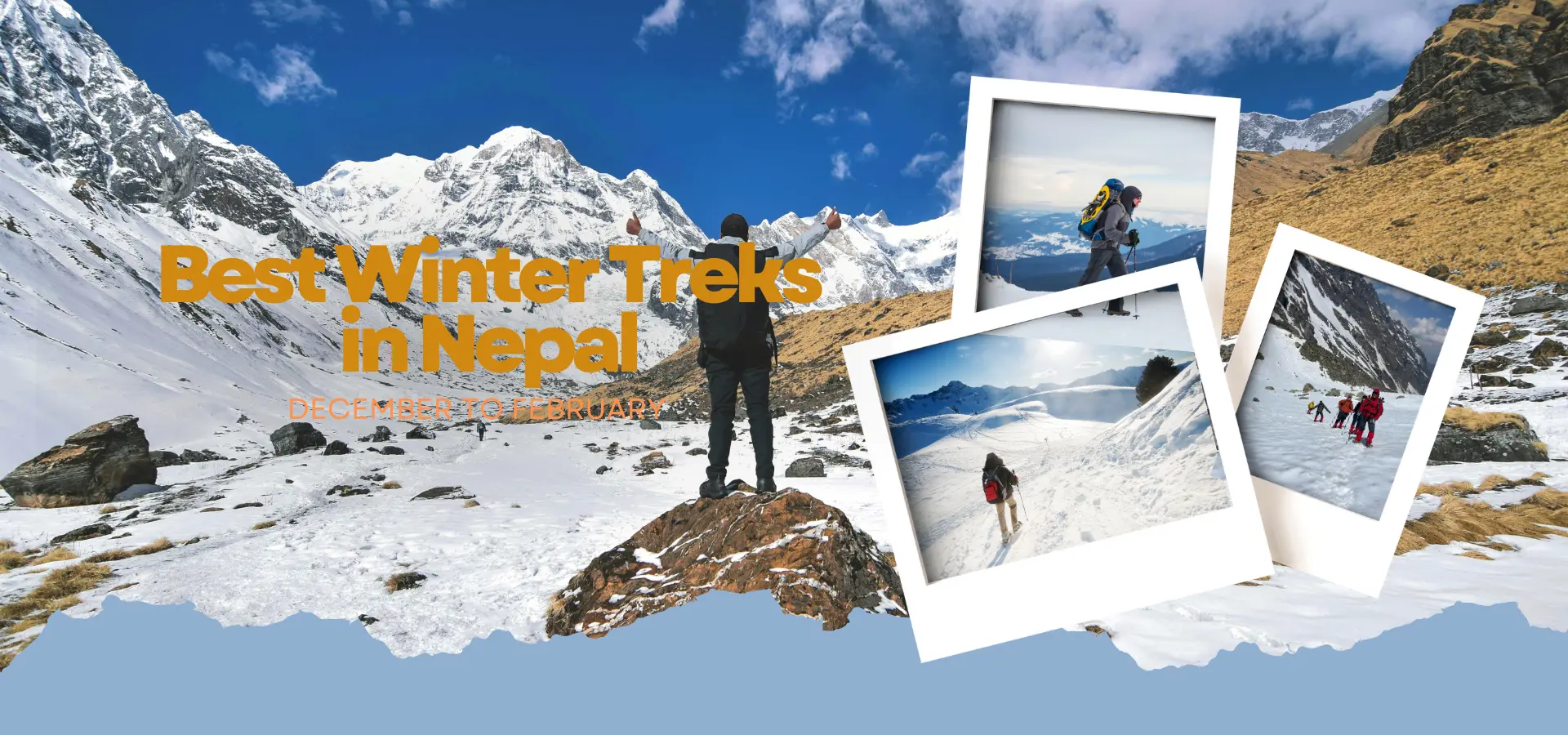
10 Best Winter Treks in Nepal | December to February
Winter in Nepal offers a unique charm, transforming its already stunning landscapes into a serene wonderland. While many associate Nepal with spring and autumn trekking, the colder months from December to February unveil a different, quieter beauty. Snow-capped peaks sparkle under crisp blue skies, and the trails are less crowded, offering a more intimate connection with nature and local culture.
However, winter trekking requires careful preparation due to colder temperatures and the potential for snow. Proper gear, including warm clothing, good quality boots, and a sleeping bag rated for low temperatures, is essential. It is also advisable to trek with an experienced guide or a reputable agency that understands the nuances of winter conditions.
Despite the challenges, the rewards are immense. Imagine sipping warm tea in a cozy teahouse while gazing at a panoramic view of the Himalayas covered in a blanket of snow. The tranquility and pristine beauty are unparalleled.
Here are 10 of the best winter treks in Nepal, perfect for those seeking an unforgettable adventure during the colder months:
1. Ghorepani Poon Hill Trek

Region: Annapurna Conservation Area, Nepal
Duration: 3-5 days
Highest Point: Poon Hill (3,210 m)
Difficulty: Easy to Moderate
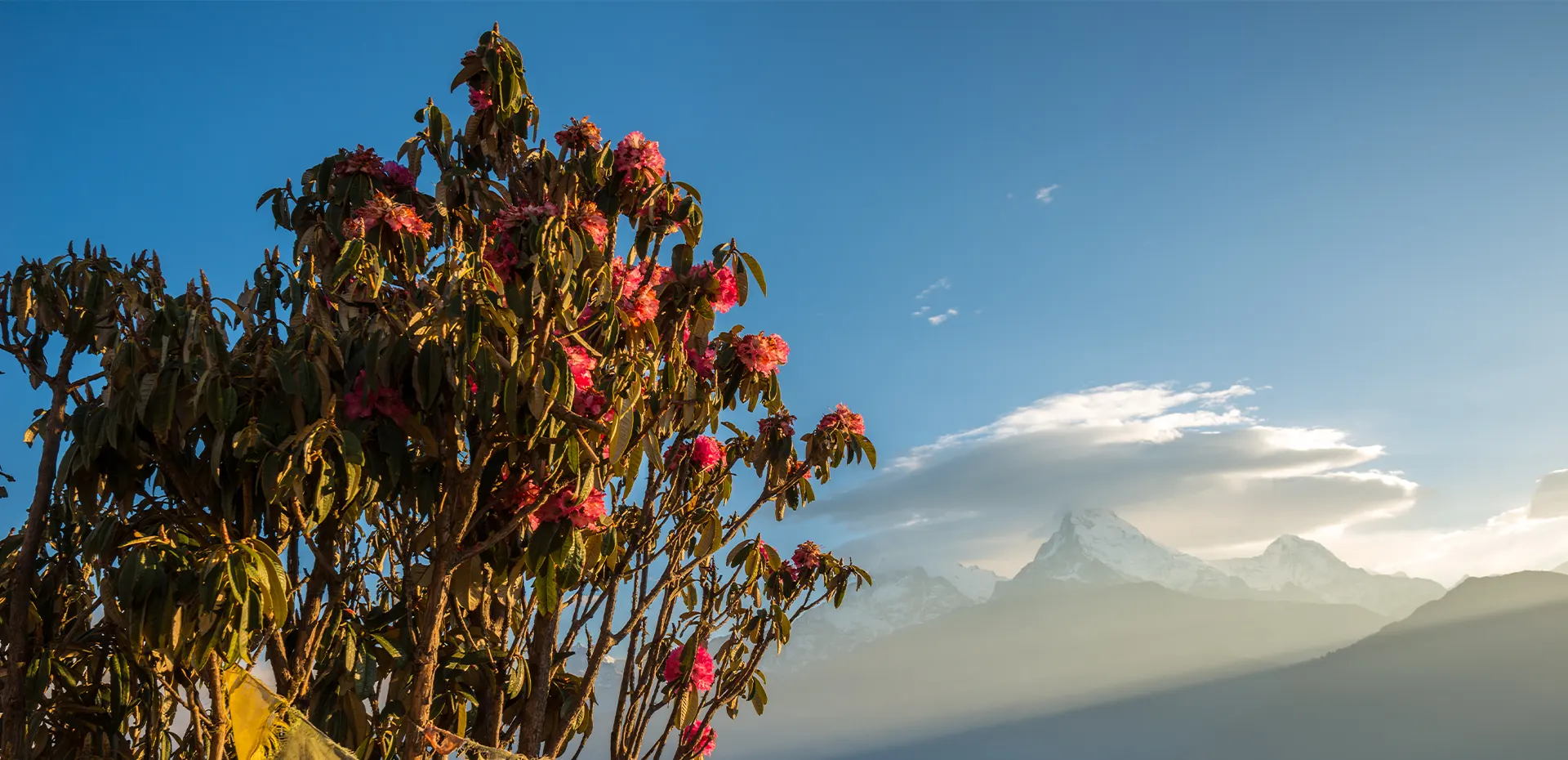
Highlights: Spectacular sunrise views over the Annapurna and Dhaulagiri ranges, charming Gurung villages, rhododendron forests (though not blooming in winter, their bare branches add to the serene landscape).
Why it’s great in winter: Lower altitudes make it more accessible, and the snow-dusted peaks from Poon Hill are simply breathtaking.
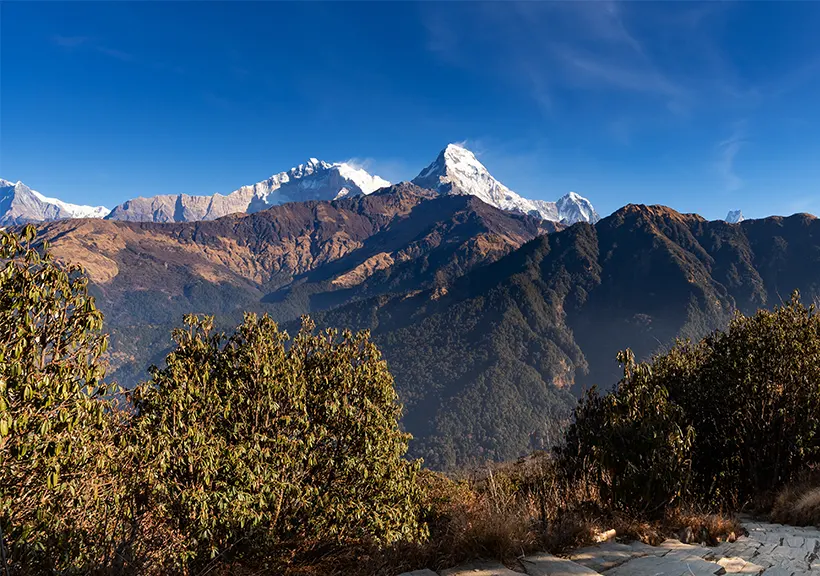
The Ghorepani Poon Hill Trek is one of Nepal’s most accessible and rewarding treks. This trek offers a perfect blend of natural beauty, cultural richness, and stunning Himalayan vistas. Ghorepani Poon Hill is ideal for beginners and seasoned trekkers alike. It takes you through charming Gurung and Magar villages, dense rhododendron forests, terraced farmlands, and serene landscapes that feel untouched by time. Winter adds a special charm to the trail with clear skies, crisp air, and snowy peaks. The views of Annapurna, Dhaulagiri, Machapuchare, and other majestic mountains are truly spectacular.
A highlight of this trek is the sunrise from Poon Hill at 3,210 meters. Watching the first golden rays illuminate the snow-capped peaks, surrounded by silence and serenity is an experience that words can hardly capture. Along the way, you are greeted by friendly local communities, cozy teahouses, and pathways lined with bright rhododendron forest, even in winter, adding a splash of color to the pristine white landscapes.
Despite its ease, the trek provides a perfect Himalayan adventure without the challenges of high-altitude climbing. It is ideal for those who want breathtaking mountain views, cultural encounters, and a soul-refreshing winter escape. Whether you are capturing photography, soaking in nature, or simply seeking peace in the Himalayas, the Ghorepani Poon Hill Trek promises an unforgettable journey that combines adventure, beauty, and tranquility in one harmonious experience.
US$ 373
Why It’s the Best Winter Trek in Nepal
- Lower altitude reduces the risk of altitude sickness.
- Clear winter skies offer reliable sunrise and mountain views.
- Trails remain open even after snowfalls, unlike many high-pass routes.
- Warm, well-equipped tea houses make winter trekking more comfortable.
- Quick accessibility from Pokhara without long travel days.
Winter Weather Conditions
Winter on the Ghorepani Poon Hill Trek is cold but generally stable, offering excellent trekking conditions. Daytime temperatures usually range from 5°C to 12°C, while nights in higher areas like Ghorepani can drop to -5°C to -8°C. Snowfalls occur mainly in late January through February, but the trail is usually cleared quickly and remains accessible. Mornings and evenings feel sharply cold, yet midday trekking is comfortable with proper layers. The dry, crisp winter atmosphere provides consistently clear skies, making sunrise from Poon Hill especially stunning with unobstructed views of the Annapurna and Dhaulagiri ranges.
2. Muldai View Point Trek
Region: Annapurna Conservation Area, Nepal
Duration: 5-7 days
Highest Point: Muldai Hill (3,637 m)
Difficulty: Easy to Moderate
Highlights: Similar to Poon Hill, this trek extends to the beautiful Gurung village of Ghandruk, offering a deeper cultural experience and different perspectives of the mountains.
Why it’s great in winter: Relatively lower altitude and well-established teahouse infrastructure make it a comfortable winter option.
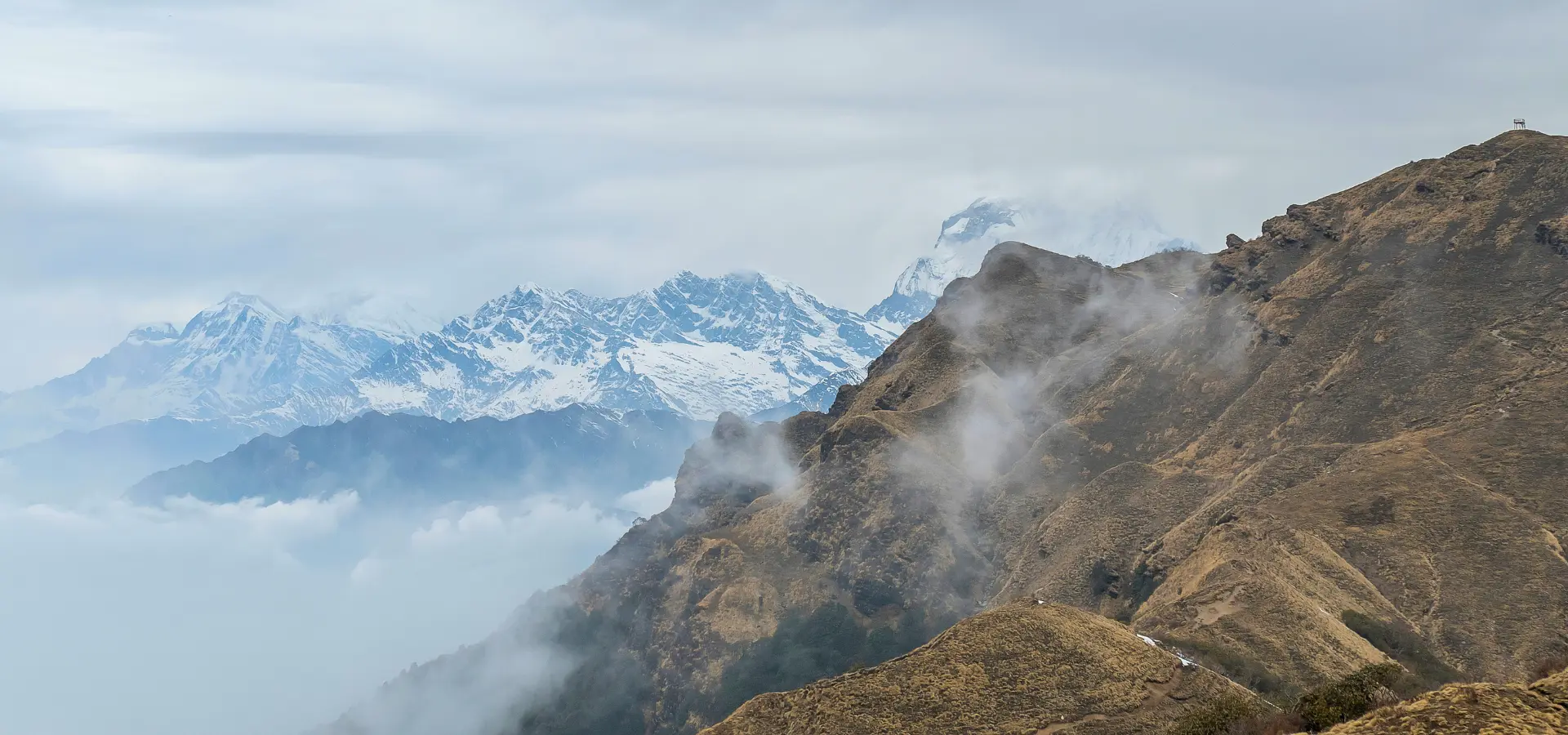
The Muldai Viewpoint Trek is a short yet incredibly rewarding trek located in the Annapurna region of Nepal. Known for its panoramic Himalayan vistas, it’s ideal for those looking for a quick escape into nature without the challenges of long-duration or high-altitude treks. The trail passes through serene forests, terraced hillsides, and quaint villages, offering an authentic glimpse of rural Nepali life.
At the heart of this trek is the Muldai Viewpoint, offering sweeping views of prominent peaks like Annapurna South, Machapuchare (Fishtail), and Dhaulagiri. Despite its moderate length, the trek is packed with scenic highlights, making it perfect for winter travelers who want a blend of adventure, culture, and breathtaking mountain scenery.
Why It’s the Best Winter Trek in Nepal
Muldai Viewpoint Trek stands out as one of the best winter treks in Nepal for several reasons. First, winter brings crystal-clear skies, which means uninterrupted views of the snow-capped Himalayan giants. The air is crisp and fresh, enhancing every sight and making sunrise and sunset experiences at the viewpoint unforgettable.
Second, the trek sees fewer tourists in winter, allowing for a peaceful, almost solitary experience with nature. It will be perfect for meditation, photography, or simply soaking in the tranquility of the mountains. The villages along the trail are charming and hospitable, offering warm tea and local stories to brighten chilly winter days.
Finally, the moderate trail makes it accessible for beginners, solo travelers, and families, allowing almost anyone to enjoy Nepal’s winter landscapes without extreme effort.
Winter Weather Conditions
Winter in the Muldai region is marked by cold temperatures, especially in the mornings and evenings, but generally dry weather. Daytime temperatures can range from 5°C to 15°C at lower altitudes, while higher sections like the viewpoint can drop below freezing, particularly before sunrise.
Snow is less frequent on this trail compared to higher Himalayan treks, but frost and occasional light snowfall create a magical winter atmosphere. Clear skies are typical during this season, providing uninterrupted views of the mountains. Warm clothing, layers, and proper trekking boots are recommended, and trekking poles can help navigate frosty or uneven paths safely.
3. Langtang Valley Trek
Region: Langtang National Park, Nepal
Duration: 7-9 days
Highest Point: Kyanjin Ri (4,773 m)
Difficulty: Moderate
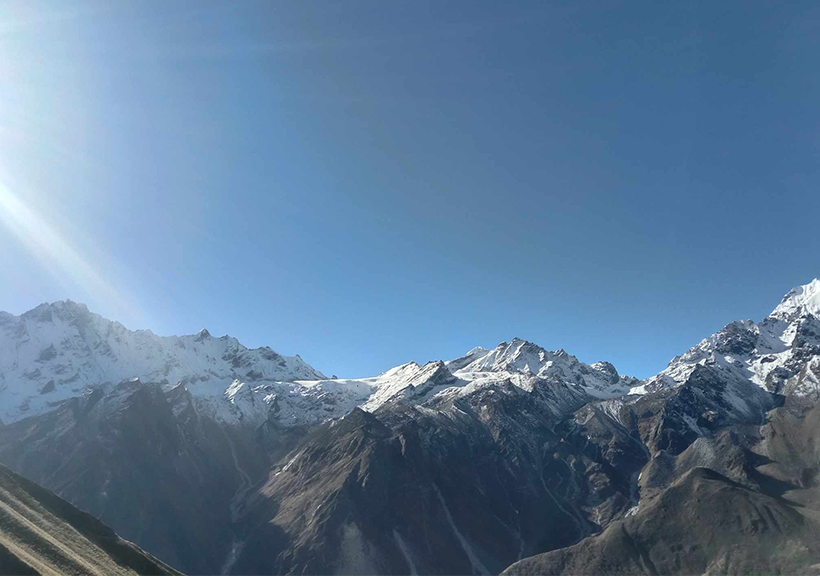
Highlights: Close-up views of Langtang Lirung, unique Tamang culture, serene glacial valleys, and a chance to spot wildlife.
Why it’s great in winter: The valley takes on a magical, peaceful atmosphere. However, higher elevations may receive significant snow, requiring careful planning.
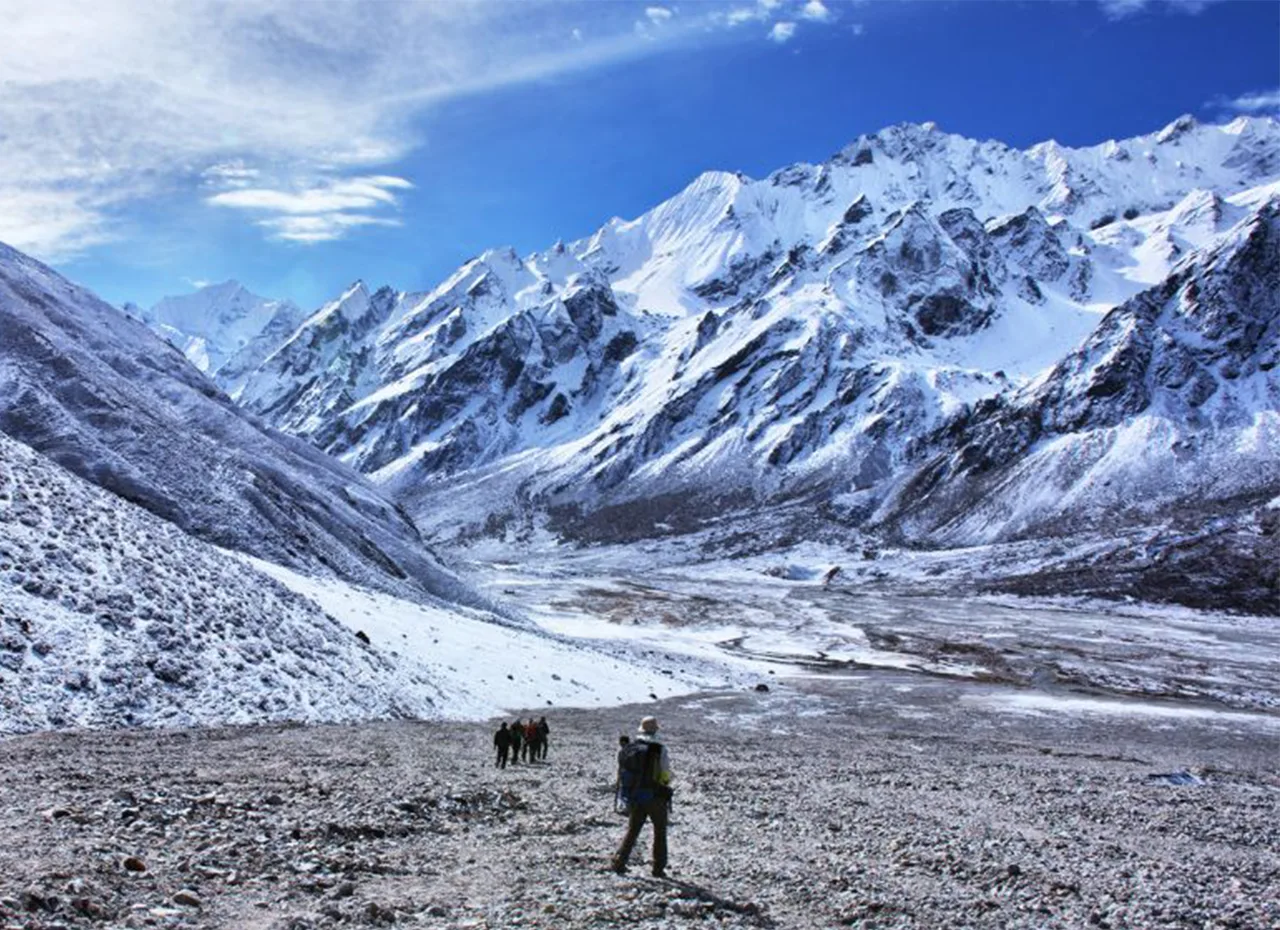
The Langtang Valley Trek is a scenic journey into one of Nepal’s most accessible Himalayan valleys, located just north of Kathmandu. Known as the “Valley of Glaciers,” Langtang offers a dramatic mix of snow-capped peaks, wide alpine meadows, ancient monasteries, and Tamang villages rich in culture. The trek typically takes 7–9 days, reaching its highest point at Kyanjin Ri (4,773 m) or Tsergo Ri (4,984 m) for those seeking a challenging viewpoint.
The trail follows the Langtang Khola River through forests of pine, oak, and rhododendron before opening into a broad valley surrounded by Langtang Lirung, Dorje Lakpa, Gangchempo, and other impressive peaks. It is considered moderate in difficulty, with gradual ascents and comfortable tea houses along the route. You can enjoy both nature and culture in equal measure, making it suitable for those who want a high-altitude experience without the crowds of more commercial trails.
US$ 550
Why It’s the Best Winter Trek in Nepal
The Langtang Valley Trek is one of the best winter treks in Nepal because it offers a perfect balance of safety, scenery, and accessibility during the coldest months. The valley’s geography provides stable winter conditions, with fewer storms and no high passes or technical sections, making the route reliable even in January and February. Trails remain open, teahouses operate year-round, and the valley stays safe from major avalanche zones. Winter also brings exceptionally clear skies, giving you sharp, unobstructed views of mountains and the surrounding glaciers.
With fewer crowds, the journey feels peaceful, allowing deeper interactions with the local Tamang communities. Combined with its proximity to Kathmandu, requiring only a single day’s drive, Langtang becomes an ideal winter destination for those seeking impressive Himalayan landscapes without the extreme conditions of high-altitude circuits.
Winter Weather Conditions
Winter in the Langtang Valley brings cold but generally stable conditions, creating a manageable and rewarding trekking environment. Daytime temperatures usually range from 2°C to 10°C, while nights in higher settlements like Kyanjin Gompa can drop to –5°C to –15°C. Light to moderate snowfall is common from late December to February, especially in the upper valley, but the main trail typically remains accessible.
Mornings can be icy, and microspikes help when fresh snow settles on exposed sections. The air is crisp and dry, offering consistently clear mountain views with brilliant visibility. While afternoons can get windy, early starts ensure comfortable walking and safer conditions. Overall, winter transforms Langtang into a peaceful, snow-covered valley with stunning clarity and a serene trekking atmosphere.
4. Mardi Himal Base Camp Trek
Region: Annapurna Conservation Area, Nepal
Duration: 3-6 days
Highest Point: 4500 m
Difficulty: Moderate
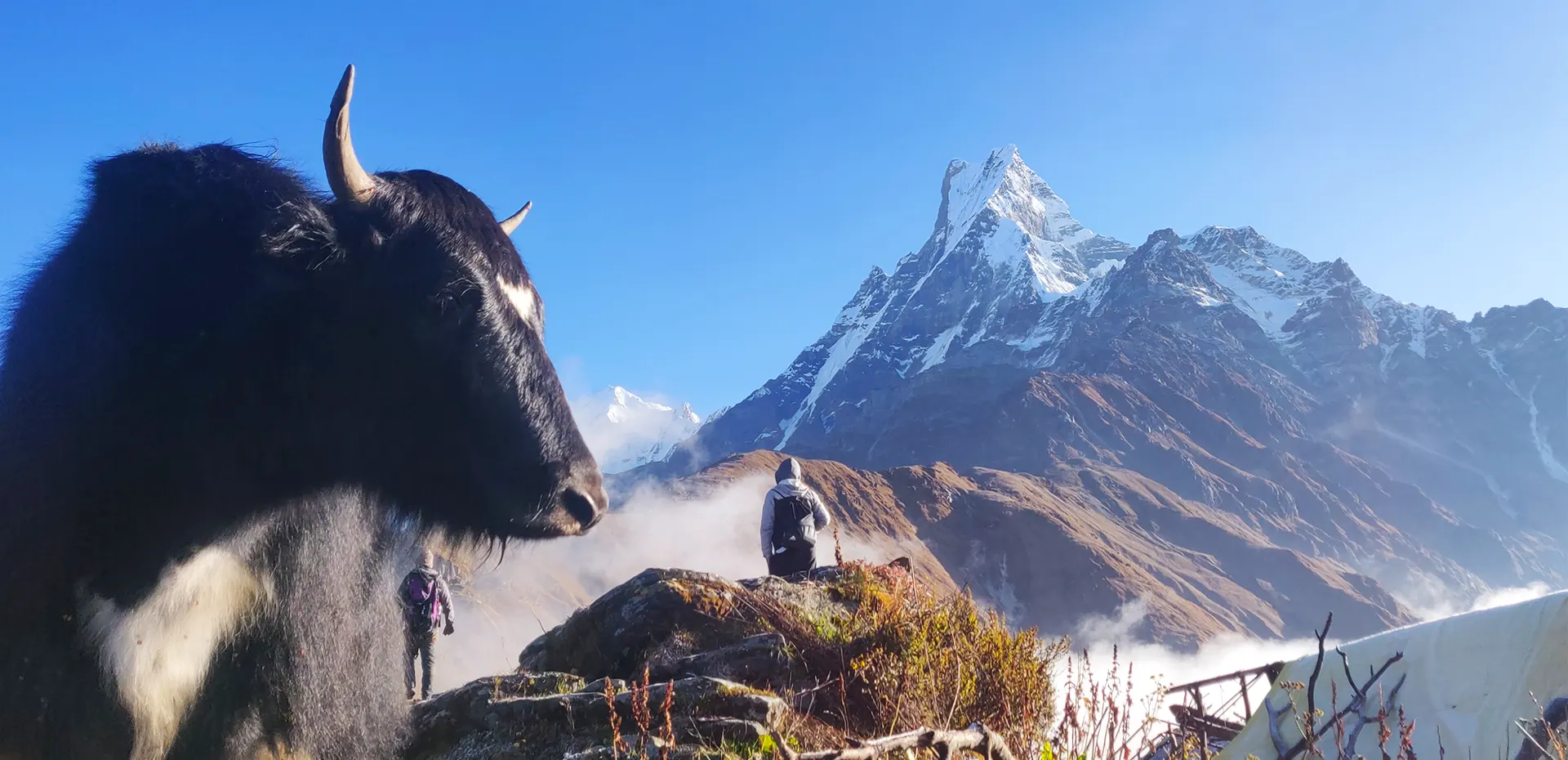
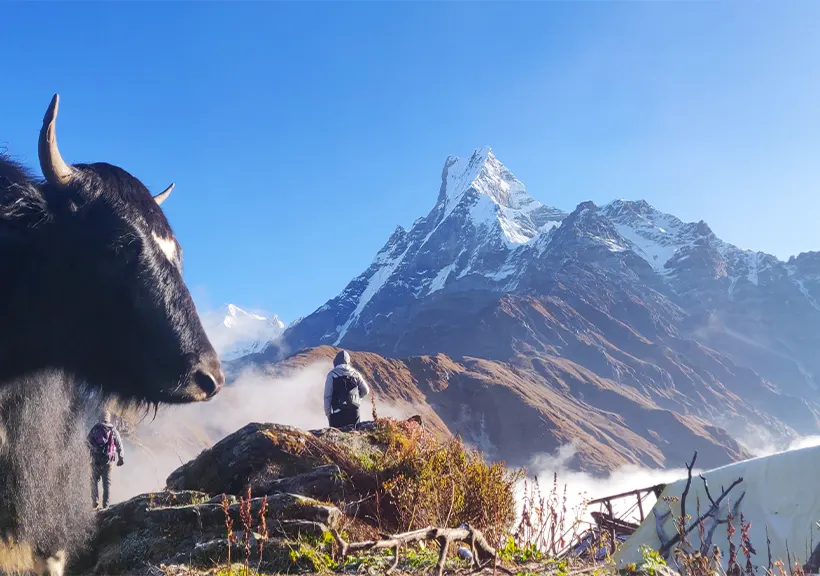
Highlights: Less crowded than some other Annapurna treks, stunning views of Machhapuchhre (Fishtail), Mardi Himal, and Annapurna South, through pristine forests.
Why it’s great in winter: Offers incredible snow-covered landscapes and a sense of wilderness. Some parts can be icy, so crampons might be useful.
The Mardi Himal Base Camp Trek is a short yet striking trek in the Annapurna region, offering a blend of forest trails, high ridgeline walking, and close-up views of some of Nepal’s most iconic peaks. Starting near Pokhara, the route ascends through quiet villages and dense rhododendron and oak forests before opening onto the upper ridges that lead toward Mardi Himal Base Camp at 4,500 meters. These ridgelines offer sweeping views of Machhapuchhre (Fishtail), Annapurna South, Hiunchuli, and the entire eastern Annapurna range.
Unlike busier trails such as Annapurna Base Camp or Poon Hill, Mardi Himal remains relatively peaceful, providing a sense of seclusion even in peak trekking months. With a duration of just 3–6 days and tea houses operating year-round, the trek is ideal for those who want a high-altitude experience without committing to a long itinerary or facing extreme technical difficulty.
Why It’s the Best Winter Trek in Nepal
Mardi Himal stands out as one of Nepal’s best winter treks because it delivers high-altitude scenery and close mountain views in a relatively short time. Winter brings sharp visibility, fewer trekkers, and crisp air, giving you uninterrupted ridge-line panoramas of Fishtail and Annapurna South.
While most high-altitude routes like Thorong La Pass and the Three Passes Trek can close or become risky in winter, Mardi Himal remains accessible with manageable snow conditions up to High Camp, depending on the weather. Tea houses stay open year-round, and the ridgeline trail offers safe, gradual ascents without technical exposure.
The winter season enhances the trek’s peaceful atmosphere: forests sparkle with frost, the ridges are quiet, and fresh snow often blankets the mountains. This creates a perfect white landscape without the chaos of peak trekking season. For photographers and solitude seekers, winter is the ideal time to experience Mardi Himal at its most beautiful.
US$ 436
Winter Weather Conditions
Winter on the Mardi Himal trail is cold and crisp, especially from Forest Camp upward. Daytime temperatures usually range between 2°C and 10°C, while nights can fall to -7°C at Low Camp and –10°C or colder at High Camp. The upper ridge from High Camp to Base Camp experiences the heaviest snow, particularly in January and February.
Clear winter skies provide exceptional visibility, making mountain views especially sharp and dramatic. Snow on the ridges can make the final section to Base Camp more challenging. With proper gear (microspikes, trekking poles, warm layers), the route remains accessible for most trekkers with moderate fitness levels. Mornings are typically cold and still, which is ideal for sunrise photography, while afternoons can bring cloud build-up, so early starts are recommended.
Despite the cold winter conditions on Mardi Himal, they are stable compared to monsoon or late-spring weather. This gives you a reliable window for exploring one of Nepal’s most scenic short treks.
5. Everest View Trek
Region: Sagarmatha National Park, Nepal
Duration: 7-9 days
Difficulty: Moderate
Highest Point: 3,880 m
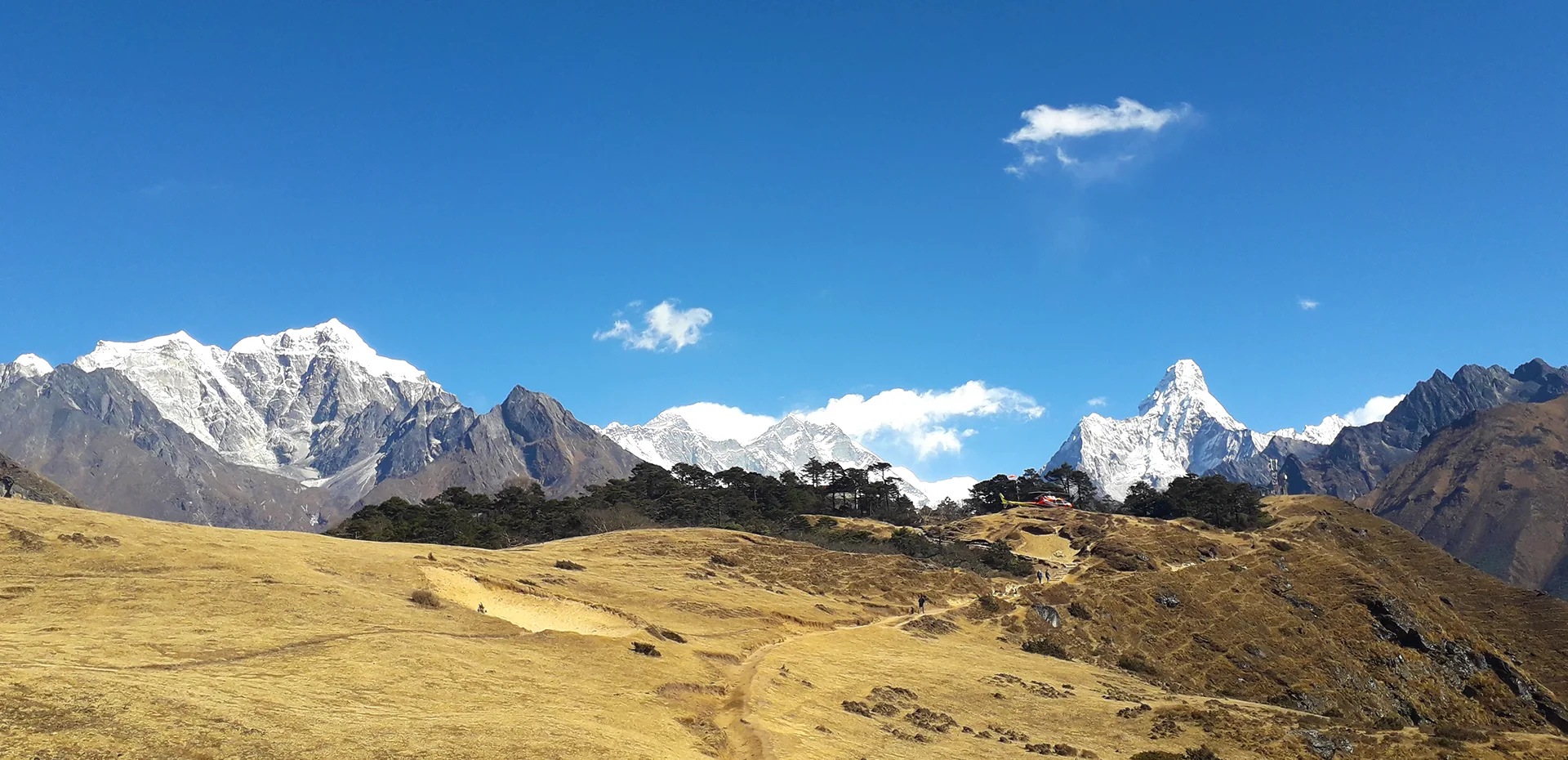
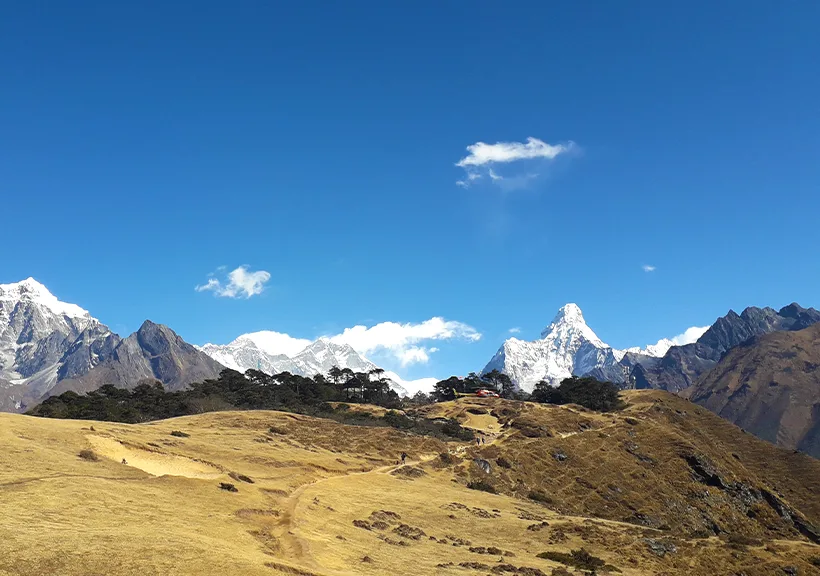
Highlights: Iconic views of Everest, Lhotse, Ama Dablam, and other high peaks, visits to Sherpa villages and monasteries, particularly the famous Tengboche Monastery.
Why it’s great in winter: The air is usually clearer, providing crisp, unobstructed views of the world’s highest mountains. However, the temperatures are very cold.
The Everest View Trek is a short and scenic journey in the Khumbu region designed for trekkers who want close-up views of Everest without the long duration or high altitude of the classic EBC route. Starting from Lukla, the trail passes through Sherpa villages, suspension bridges, and forests before reaching Namche Bazaar and the Everest View Hotel/Khumjung area.
It offers excellent Himalayan panoramas, rich Sherpa culture, and comfortable tea houses. Everest View Trek is an ideal choice for beginners, families, and winter trekkers looking for a manageable yet rewarding Himalayan experience.
Why It’s the Best Winter Trek in Nepal
The Everest View Trek is ideal for winter because it offers impressive Himalayan panoramas without crossing high passes or reaching extreme altitudes. Trails remain open even in December–February, and the route includes warm tea houses that make winter trekking comfortable. The air is crisp and dry during winter, creating exceptional visibility of Everest, Lhotse, Ama Dablam, and Thamserku.
The trek focuses on cultural immersion as well as passing through Sherpa villages like Namche Bazaar and Khumjung feel quieter and more peaceful in winter. This allows you to interact with locals in a more authentic way. Flights to Lukla also tend to be more stable in winter mornings due to clearer skies. With minimal risk of altitude sickness and consistently clear views, winter is one of the most rewarding times to experience this trek.
US$ 1051
Winter Weather Conditions
Winter in the Everest region is cold but predictable, offering some of the clearest days of the year. Daytime temperatures around Namche Bazaar and Khumjung range from 2°C to 10°C, while nighttime temperatures can drop to –8°C to –12°C. Higher viewpoints, such as the Everest View Hotel area, may feel colder, especially in the early morning.
Snow is possible from late December to mid-February, but snowfall is usually light and does not close the trail. Mornings and evenings bring sharp cold, while midday trekking is comfortable with proper layering. The dry winter atmosphere enhances visibility, making the mountain outlines appear sharp and dramatic—perfect for photography and sunrise views of Everest and Ama Dablam.
6. Mohare Danda Trek
Region: Annapurna Conservation Area, Nepal
Duration: 5-7 days
Difficulty: Easy to Moderate
Highest Point: 3300 m
Highlights: A community-based eco-trek, offering panoramic views of the Annapurna and Dhaulagiri ranges, and insights into local life and sustainable tourism.
Why it’s great in winter: A quieter alternative to Poon Hill, with equally stunning views and a warmer, more welcoming local experience.
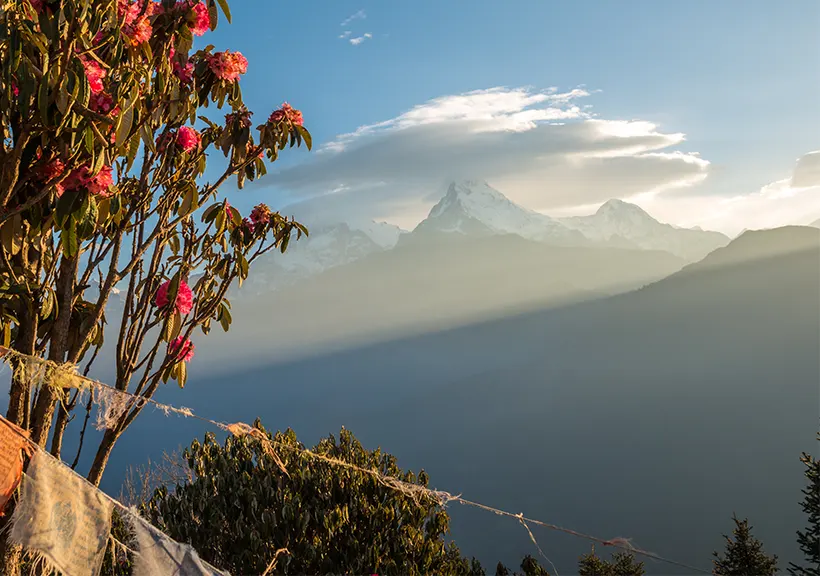
The Mohare Danda Trek is a quiet, community-based trekking route located in the Annapurna region, designed to offer an immersive Himalayan experience away from the crowds. Reaching a viewpoint at 3,313 meters provides sweeping views of Dhaulagiri, Annapurna South, Machhapuchhre, and Nilgiri. The trail passes through mixed forests, terraced fields, and Magar and Gurung villages. You can stay in eco-friendly community lodges rather than commercial tea houses.
This trek typically takes 4–5 days, depending on your chosen route. You can start from either Galeshwar or Banskharka and end in Ulleri or Ghorepani. It is suitable for those seeking a peaceful, authentic cultural experience with comfortable walking days of 4–6 hours. The moderate elevation, well-maintained trails, and supportive community lodges make it an excellent option for beginners, families, and solo trekkers.
Why It’s the Best Winter Trek in Nepal
The Mohare Danda Trek stands out as one of Nepal’s best winter treks due to its lower altitude, stable trail conditions, and uncrowded environment. With its highest point just above 3,300 meters, it avoids the harsh weather challenges and altitude risks of higher Himalayan treks. Winter skies in this region are exceptionally clear, offering crisp, unobstructed views of the entire Annapurna and Dhaulagiri ranges. The weather will be clear, often better than during peak seasons.
What makes Mohare truly special in winter is its community-run accommodation. The lodges are warm, clean, and welcoming, providing heated dining areas and cozy rooms that make cold evenings feel pleasant rather than harsh. Snow occasionally dusts the ridge trails, creating a serene winter atmosphere but rarely blocking the path, so the route stays accessible. The cultural element is another strong advantage: you experience genuine village life, traditional food, and local hospitality without the commercial rush of popular routes.
For trekkers who want a peaceful winter escape with panoramic Himalayan views, cultural depth, and reliable trail conditions, Mohare Danda is one of the most rewarding choices.
Winter Weather Conditions
Winter on the Mohare Danda Trek is cold yet stable, with conditions that favor clear mountain panoramas and enjoyable trekking days. Daytime temperatures usually range from 4°C to 10°C, warming up quickly under the sun, while night temperatures at Mohare Danda can drop between –5°C and –10°C. Wind chill on the ridge can make mornings feel colder, but the sun often rises into bright, cloudless skies by mid-morning.
Snowfall is possible, especially from late December to February, but it tends to be light and short-lived. Trails remain safe and passable, and the community lodges—built with winter conditions in mind—provide warm dining halls, thick blankets, and good insulation. The crisp winter air enhances visibility, offering some of the clearest views of the season. Trekkers often enjoy sunrise and sunset from Mohare Danda with vibrant colors and sharp outlines of the Himalayas.
Overall, winter brings a calm, tranquil atmosphere to the Mohare route: quiet trails, clean air, beautiful snow-dusted landscapes, and consistent visibility make it a reliable and scenic winter trekking option.
7. Annapurna Base Camp Trek

Region: Annapurna Conservation Area, Nepal
Duration: 7-9 days
Difficulty: Moderate to Challenging (winter-specific)
Highest Point: 4130 m
Highlights: Trekking into the heart of the Annapurna Sanctuary, surrounded by towering peaks.
Why it’s great in winter: While reaching the actual Annapurna Base Camp can be very challenging and risky in deep winter snow, lower sections of the trail leading up to places like Chomrong or even Deurali offer incredible winter landscapes with fewer crowds. Note: Full ABC trek in winter is only for experienced trekkers with proper gear and guides.
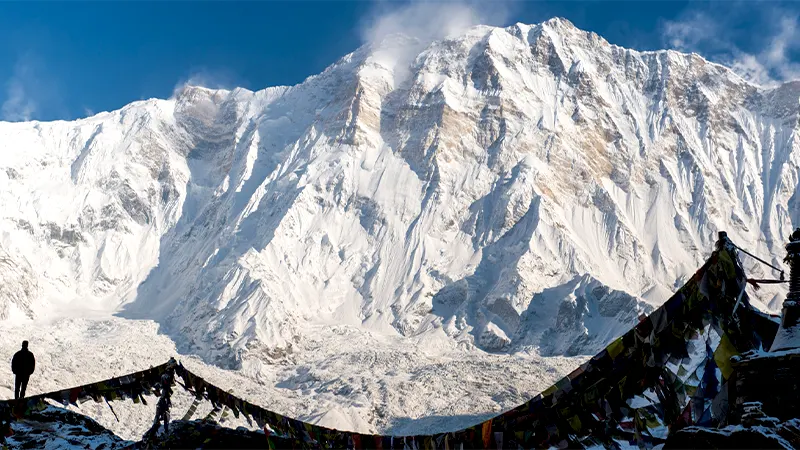
The Annapurna Base Camp (ABC) Trek is one of Nepal’s most iconic Himalayan journeys, guiding you into the heart of the Annapurna Sanctuary—a high-altitude natural basin surrounded by some of the tallest and most dramatic peaks in the world. The trek reaches its highest point at 4,130 meters, directly at the foot of Annapurna I (8,091 m), the 10th highest mountain on Earth. Unlike many high-altitude routes, ABC offers a rare opportunity to stand close to massive Himalayan walls without needing technical climbing skills or crossing high passes.
The route begins a short drive from Pokhara and winds through diverse landscapes, starting with subtropical forest trails filled with bamboo, rhododendron, and oak. As the trail ascends, it passes through culturally rich Gurung and Magar villages such as Ghandruk and Chhomrong, offering insight into local mountain life, traditional architecture, and warm hospitality. Higher up, the landscape transitions into glacial valleys and rugged alpine terrain, framed by towering peaks like Machhapuchhre (Fishtail), Hiunchuli, Annapurna South, and Gangapurna.
Well-spaced tea houses along the route make this trek logistically simple and comfortable throughout the year. Trekkers can complete the journey in 7–10 days, depending on pace and acclimatization needs. With its combination of cultural immersion, varied terrain, and close-range mountain views, the Annapurna Base Camp Trek is one of the most rewarding and immersive trekking experiences in Nepal.
Why It’s the Best Winter Trek in Nepal
Winter transforms the ABC trail into a peaceful, snow-covered wonderland. The cold, dry air creates crystal-clear visibility, allowing trekkers to enjoy uninterrupted panoramas of the Annapurna Massif from start to finish. Unlike high passes such as Thorong La or Cho La, the ABC route remains open most of the winter because there are no extreme technical sections and the trail is well-defined.
Clear trails, fewer crowds, and dramatic winter lighting make this trek especially appealing for photographers and nature lovers. The Annapurna Sanctuary looks even more spectacular under fresh snow, turning every viewpoint into a postcard scene. Cozy tea houses with heated dining rooms provide a warm retreat after a day on the trail, making the winter trekking experience comfortable and immersive.
For trekkers seeking an authentic Himalayan journey with manageable difficulty and exceptional scenery, ABC stands out as one of the most rewarding winter treks in Nepal.
US$ 550
Winter Weather Conditions
Winter on the Annapurna Base Camp Trek is cold but stable, offering some of the best mountain views of the year. Daytime temperatures in lower villages range from 5°C to 15°C, while higher sections like Deurali, Machhapuchhre Base Camp (MBC), and ABC experience daytime temperatures between –10°C and 5°C. Nights can drop to –10°C to –15°C at base camp, so warm layers and a good sleeping bag are essential.
Snowfall is common above 3,000 meters, especially from late December to February. After heavy snow, the section between Deurali and MBC can be prone to avalanches, so checking local conditions and walking with a guide is recommended. When the weather is clear, visibility is outstanding, while the winter skies reveal the full face of Annapurna I and Machhapuchhre in extraordinary detail. Cold mornings and evenings contrast with comfortable midday trekking temperatures under strong sunshine, creating ideal conditions for both walking and photography.
Despite the cold, winter is one of the most magical times to trek to Annapurna Base Camp the snow-covered sanctuary, quiet trails, and dramatic lighting offer an unforgettable Himalayan experience.
8. Australian Camp Trek via Dhampus Village
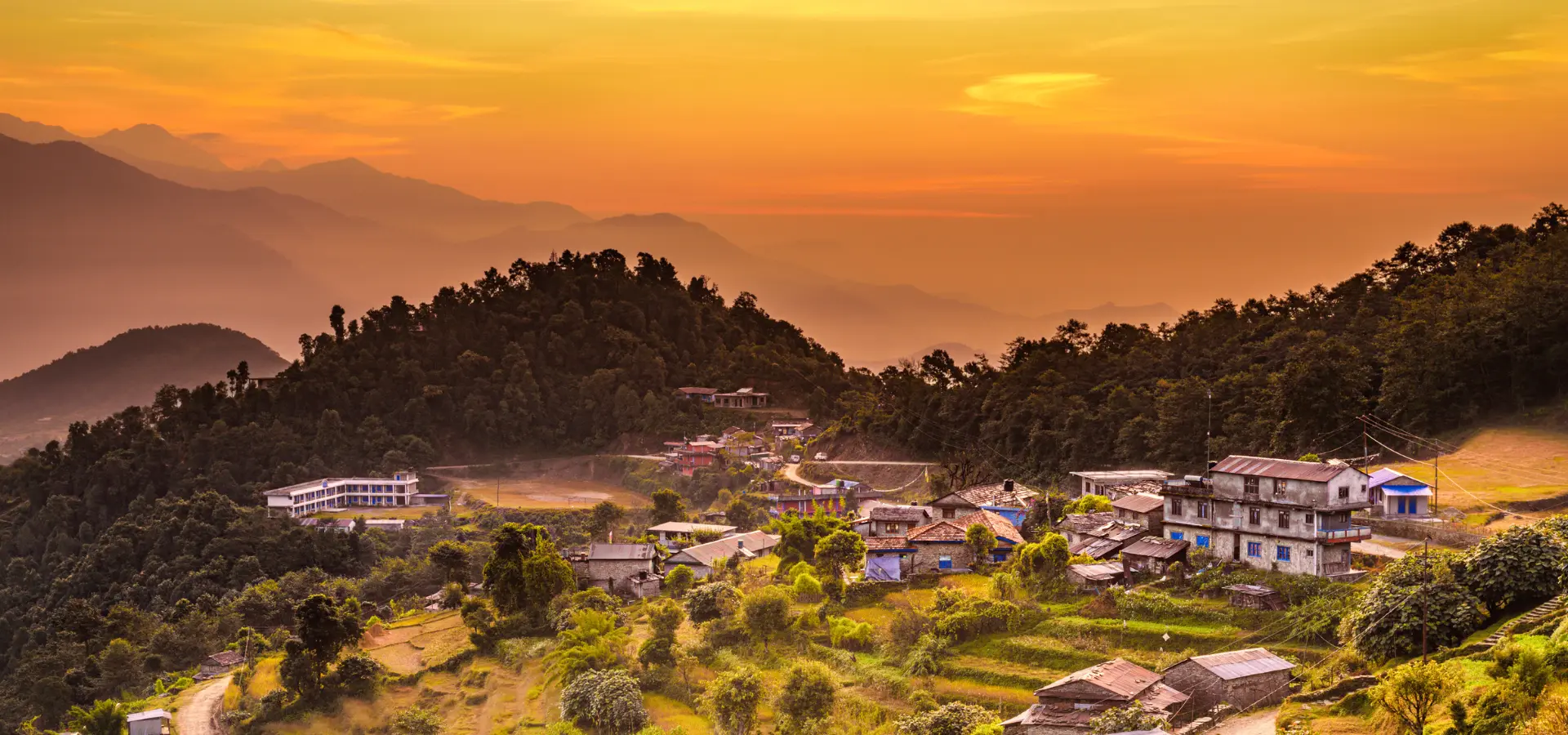
Region: Annapurna Conservation Area, Nepal
Duration: 2-3 days
Difficulty: Easy
Highest Point: Australian Camp (2060 m)
Highlights: A short, leisurely trek through traditional Newari villages, terraced fields, and scenic countryside near Kathmandu.
Why it’s great in winter: A perfect escape from the city for those looking for a gentle winter stroll and cultural immersion without high altitudes or extreme cold.
The Australian Camp Trek via Dhampus Village is a short, accessible, and scenic trek in the lower Annapurna region, perfect for travelers seeking panoramic Himalayan views without long or strenuous walking days. Starting close to Pokhara, the trail passes through charming Gurung villages, terraced hillsides, and peaceful forests before reaching Australian Camp at 2,060 meters. From this ridge-top viewpoint, trekkers enjoy stunning close-up views of Machhapuchhre (Fishtail), Annapurna South, Hiunchuli, and the surrounding foothills.
The trek typically takes 1–2 days, making it one of Nepal’s most convenient short hikes for beginners, families with children, or trekkers with limited time. Tea houses along the way offer comfortable stays and warm hospitality, ensuring a relaxed Himalayan experience. Despite its short duration, the trek delivers rich culture, nature, and mountain scenery—making it one of the best introductory treks in the Annapurna region.
Why It’s the Best Winter Trek in Nepal
The Australian Camp Trek stands out as an excellent winter option because it stays at a lower altitude where temperatures are mild, and snow conditions are manageable. Trails remain open year-round, and winter provides exceptional clarity, allowing consistently clear views of the Annapurna range.
Its short duration is ideal for winter travelers who may not want to commit to long, cold trekking days. The trail avoids steep or exposed sections, making it safe even for beginners during colder months. Tea houses at Australian Camp and Dhampus remain fully operational in winter, offering warm meals, heated dining areas, and comfortable rooms.
For travelers based in Pokhara, it is one of the few treks that can be completed with minimal preparation, no altitude risk, and guaranteed Himalayan views even in mid-winter. The combination of accessibility, beautiful ridge-line scenery, and winter-friendly conditions makes it a top pick among Nepal’s short winter treks.
Winter Weather Conditions
Winter along the Dhampus–Australian Camp trail is cool but pleasantly stable. Daytime temperatures usually range between 8°C and 15°C, making trekking comfortable with light layers. Night temperatures at Australian Camp can drop to 0°C to –3°C, but remain much milder than higher-altitude treks in Nepal.
Snowfall is occasional, mostly in January or February, but even then, it is light and seldom blocks the trail. Mornings can feel crisp, but the winter air stays dry and clear, offering excellent visibility of the Annapurna massif throughout the day. Trekkers often enjoy cloud-free horizons that make the sunrise and sunset from Australian Camp exceptionally vibrant—perfect for photography and mountain viewing.
Overall, winter provides some of the best atmospheric clarity of the year, allowing trekkers to enjoy sharp, unobstructed views from start to finish.
9. Chisapani Nagarkot Hike
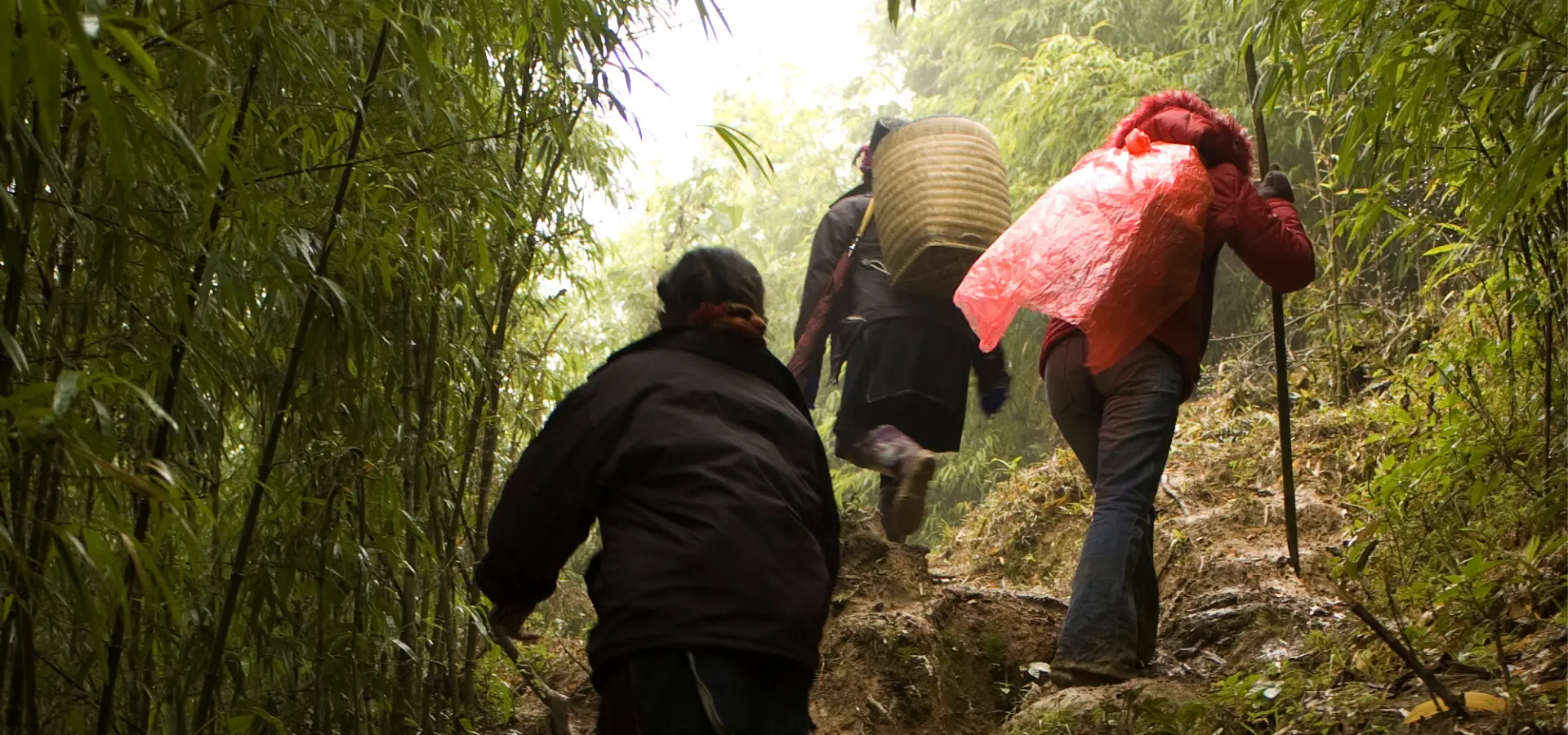
Region: Shivapuri National Park, Nepal
Duration: 2-3 days
Difficulty: Easy
Highest Point: 2,215 m (Chisapani)
Highlights: Located close to Kathmandu, Nagarkot offers stunning sunrise and sunset views over the Himalayas, as well as a pleasant walk through Shivapuri National Park.
Why it’s great in winter: Easily accessible, and the clear winter skies often provide the best mountain views from Nagarkot.
The Chisapani–Nagarkot Hike is a scenic, low-altitude trek on the outskirts of Kathmandu, designed for those seeking Himalayan views without long travel days or high-altitude risks. The route typically spans 2–3 days and connects Shivapuri National Park with two popular hill stations—Chisapani and Nagarkot.
Starting from Sundarijal, the trail leads through lush forests, water reservoirs, Tamang villages, and ridgelines with open panoramas. The highest point, around 2,300 m, offers unobstructed sunrise and sunset views of Langtang, Ganesh Himal, Dorje Lakpa, Gauri Shankar, and even a glimpse of Everest on an exceptionally clear day.
It’s ideal for beginners, families, short-stay visitors, and winter travelers who want an easy, refreshing Himalayan experience without the need for domestic flights or heavy gear.
Why It’s the Best Winter Trek in Nepal
The Chisapani–Nagarkot Hike stands out as one of the best winter treks because it combines accessibility, comfort, and reliable mountain views. Located close to Kathmandu, it requires no long road journeys and remains open even in peak winter.
The trail stays snow-free most of the season, making it comfortable for those who want a winter trek without slippery, high-altitude challenges. The lower elevation also removes the risk of altitude sickness while still offering wide Himalayan panoramas.
Winter mornings bring exceptionally clear skies, creating perfect conditions for sunrise and sunset photography from both Chisapani and Nagarkot. The hike also includes charming village trails, warm lodges, and a peaceful atmosphere—ideal for those wanting a short Himalayan retreat without harsh weather or demanding terrain.
For trekkers short on time or visiting Nepal specifically for winter views near Kathmandu, this trek delivers a rich mountain experience with minimal logistics and maximum reward.
Winter Weather Conditions
Winter on the Chisapani–Nagarkot route is generally crisp, dry, and highly favorable for trekking. Daytime temperatures stay between 8°C and 15°C, making the walking conditions comfortable with just a few layers, while nights can drop to around 0°C or slightly below in Chisapani. Snowfall is uncommon, though light flurries may occur in late January, and they rarely disrupt the trail.
What makes winter especially appealing here is the clarity of the atmosphere—the dry air creates sharp Himalayan visibility, producing vivid sunrise and sunset views over Langtang, Ganesh Himal, Dorje Lakpa, Gauri Shankar, and even distant Everest on exceptionally clear days. The combination of mild weather, low chances of trail closure, and excellent mountain visibility makes this route one of the most dependable winter hikes near Kathmandu.
10. Pikey Peak Trek
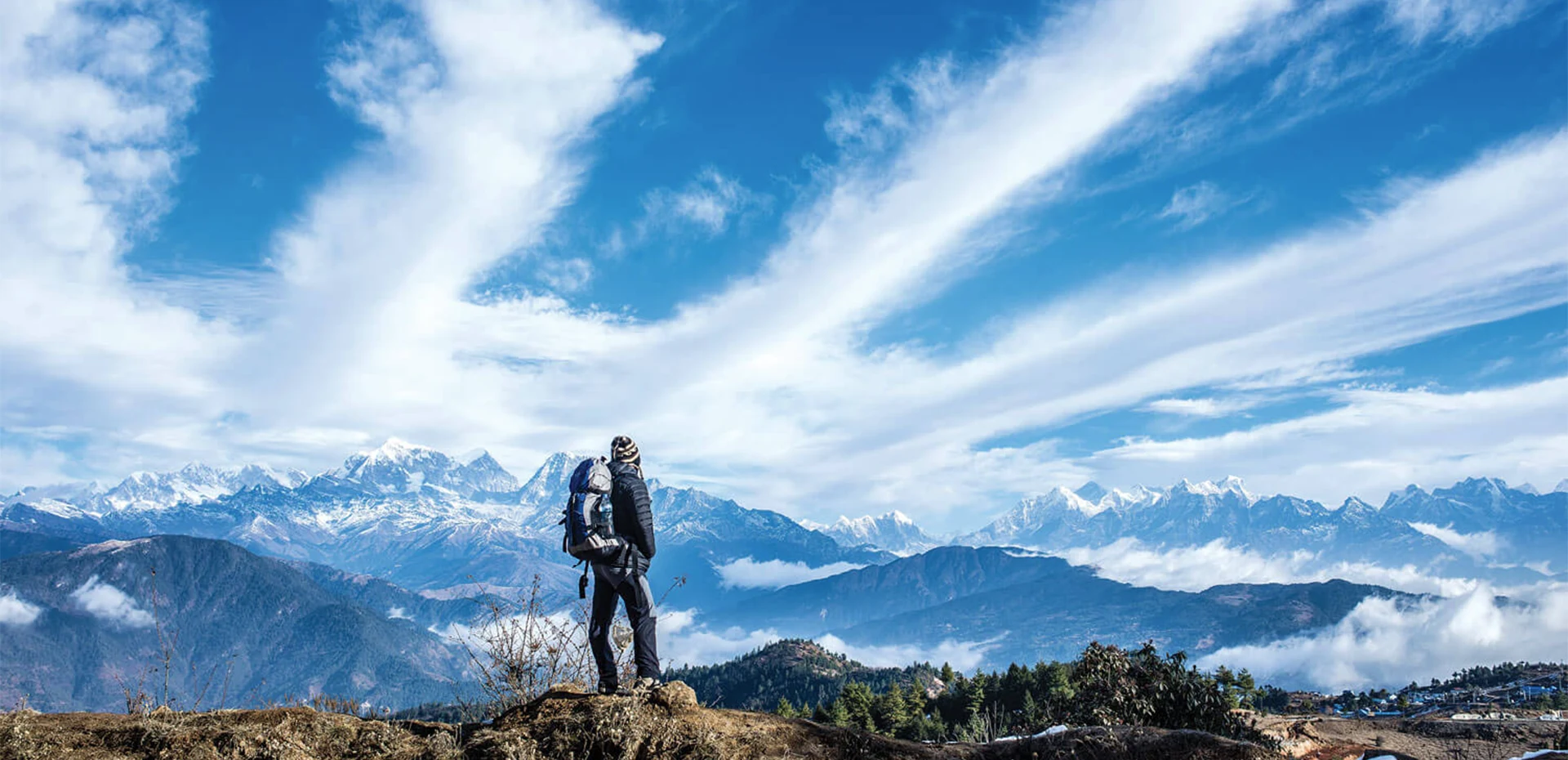
Region: Sagarmatha National Park
Duration: 5-7 days
Difficulty: Moderate
Highest Point: 4065 m (Pikey Peak)
Highlights: Considered one of the best viewpoints for Everest in the lower Solukhumbu region, offering panoramic views of the entire Everest range, including Numbur, Kanchenjunga, Makalu, and Ama Dablam.
Why it’s great in winter: Less crowded, pristine snow-capped landscapes, and a more authentic Sherpa cultural experience away from the main Everest trail.
The Pikey Peak Trek is a scenic and culturally rich journey through the lower Solukhumbu region, offering a quieter alternative to the classic Everest trails. The route gradually climbs from rolling hills and terraced farmland into dense pine and rhododendron forests, before opening onto broad ridgelines that deliver sweeping Himalayan views. At 4,065 m, Pikey Peak is the highest point of the trek and provides an exceptional panorama stretching from Everest and Lhotse to Makalu, Kanchenjunga, and even the Annapurnas on a clear day.
This trek is well-suited for trekkers seeking meaningful cultural experiences, as it passes through traditional Sherpa and Tamang villages, ancient monasteries, mani walls, and prayer flag–lined paths.
Lodges are simple but comfortable, offering warm hospitality and local home-style meals. The trail remains moderately challenging, with steady ascents but no technical sections, making it suitable for trekkers with basic fitness. Its accessibility, reachable by a scenic drive from Kathmandu and combined with its short duration of 4 to 7 days, makes Pikey Peak an ideal winter trek for travelers wanting big mountain scenery without the logistical complexities or altitude risks of more demanding routes.
Why It’s the Best Winter Trek in Nepal
Pikey Peak is considered one of Nepal’s top winter treks due to its lower altitude, wide ridgelines, and consistently clear views during the colder months. Winter offers a dramatic atmosphere: snow-dusted hills, crisp air, and an open horizon that stretches from Everest to Kanchenjunga. Unlike higher-altitude routes, this trek remains safe and accessible even in December–February, with well-maintained trails and cozy lodges along the way.
The sunrise from Pikey Peak is exceptional in winter. Sir Edmund Hillary famously claimed Pikey Peak provides the best view of Everest—and winter clarity only amplifies that. Trekkers also experience a peaceful Himalayan environment with far fewer crowds, allowing meaningful interactions with local Sherpa communities, visits to ancient gompas, and moments of solitude with the mountains. For anyone seeking a winter trek with big mountain views and cultural depth, Pikey Peak is one of the most rewarding choices.
US$ 554
Winter Weather Conditions
Winter conditions on the Pikey Peak Trek are cold but clear, offering some of the best visibility of the year. Daytime temperatures typically range between 0°C and 10°C, while nights near Jhapre, Pikey Base Camp, or the summit ridge can drop to –8°C to –12°C. Snowfall is possible, especially in January and February, but usually light and manageable, adding a beautiful contrast to the ridgelines.
The air becomes crisp and dry in winter, creating sharp, unobstructed views of Everest, Lhotse, Makalu, Kanchenjunga, and the rolling hills of the Solukhumbu. Mornings and evenings are freezing, but midday trekking feels pleasant with proper layering. Wind exposure on open ridges can make the chill feel stronger, so windproof clothing is essential. Overall, winter weather enhances the experience, transforming the Pikey region into a peaceful landscape with bright skies, clean air, and stunning Himalayan panoramas.
Essential Tips for Winter Trekking in Nepal
- Wear a moisture-wicking base layer, an insulating mid-layer like fleece or down, and a windproof, waterproof outer shell so you can quickly adjust to shifting winter temperatures from cold mornings to warmer afternoons.
- Protect your hands, feet, and head with insulated gloves, thermal socks, and a warm hat, and carry microspikes for icy sections to prevent numbness and maintain stability on frozen trails.
- Begin trekking soon after sunrise to make the most of daylight and the warmest hours, ensuring you reach the next lodge well before the evening cold sets in.
- Drink water consistently, even when you don’t feel thirsty, and use warm liquids like tea or soup to maintain hydration and support your body’s energy in cold weather.
- Bring a winter-rated sleeping bag and liner, as tea house rooms are unheated and nighttime temperatures can drop significantly after sunset.
- Apply high-SPF sunscreen, wear UV-protected sunglasses, and use SPF lip balm to guard against strong winter sun and reflective glare from snow and frost.
- Check daily weather updates, carry trekking poles and gaiters, and use light crampons or microspikes when necessary to navigate snowy or icy trails safely.
- Select lightweight but highly insulating gear such as compressible down jackets and thermals, minimizing bulk while ensuring warmth and comfort during winter conditions.
- Store phones, camera batteries, and power banks close to your body during the day and inside your sleeping bag at night to prevent rapid battery drain from freezing temperatures.
- Choose warm, calorie-dense meals like dal bhat, porridge, and potatoes, and snack on nuts or chocolate to maintain steady energy throughout the trek.
- Listen to guides and lodge owners who understand winter trail conditions and adjust your route or schedule based on their safety recommendations.
- Select winter-friendly trails such as Poon Hill, Pikey Peak, or Langtang, and avoid high passes that often close due to heavy snowfall or unsafe conditions.
- Bring sufficient cash for food, accommodation, charging, and emergencies, since ATMs are not available on trekking routes and winter may limit open lodges.
- Expect cold mornings, chilly tea house rooms, and a slower pace on icy sections, and approach the trek with patience and a positive mindset.
- Ensure your insurance includes high-altitude trekking and helicopter evacuation, which are important in case winter weather disrupts travel or requires emergency support.
Winter trekking in Nepal is an adventure that offers profound tranquility and unparalleled beauty. With proper planning and preparation, it can be an incredibly rewarding experience, revealing the majestic Himalayas in their most serene and spectacular form.
Popular Posts


- 1. Ghorepani Poon Hill Trek
- 2. Muldai View Point Trek
- 3. Langtang Valley Trek
- 4. Mardi Himal Base Camp Trek
- 5. Everest View Trek
- 6. Mohare Danda Trek
- 7. Annapurna Base Camp Trek
- 8. Australian Camp Trek via Dhampus Village
- 9. Chisapani Nagarkot Hike
- 10. Pikey Peak Trek
- Essential Tips for Winter Trekking in Nepal
