

Trip Introduction
Overview of Lapchi Trek in Rolwaling- 5 Days | Cost, Itinerary, Permits & Milarepa Cave Guide| For 2026/27
Lapche, or Lapchi Trek, is an important spiritual mountain that is known as Milarepa’s hermitage. It is located in the Rolwaling Region of eastern Nepal. It is located at a height of about 4850 meters along the border of Nepal and Tibet. This trek offers an opportunity to discover Nepal’s least-visited, remote, and exciting secret corner. Lapchi Trek and Lapchi Area are the two sacred destinations in the Himalayas after Kailash and Tsari.
According to ancient Hindu and Tibetan Buddhist literature, there are three holy mountains in Jambudivpa: Mt Kailash, Mt. Tsari, and Mt Lapchi Kang. Holy Lapchi Mountain is located in the eastern part of Nepal at about 4850 m. You will get spiritual peace and eternal happiness by joining this spiritual trek. Explore Mount Lapchi Kang and Milarepa Cave once in a lifetime.
One of the fascinating aspects of the Lapchi Trek is its connection to the ancient Tibetan magician and Buddhist yogi, Milarepa. According to folklore, Milarepa went into retreat in this region, living in a cave and sustaining himself by consuming stinging nettles. Over time, he was said to have turned green. The Lapchi region, with its maze of twisted hills, rock spires, and sheer cliffs, provides an ideal habitat for the snow leopard, adding to its appeal for nature enthusiasts. The serenity of the Lapchi Trek makes this place unique among all other destinations. Moreover, the art and architecture of the monasteries and the cave, the scenic beauty of the spiritual mountain, and other natural aspects of this high alpine region make the region an excellent destination for travelers.
Milarepa is a significant figure in Tibetan Buddhism. He was a Buddhist yogi, but he was also a great poet and magician in Tibet. To attain enlightenment, he did meditation in many isolated regions of the Nepali Himalayas. Among many, Milarepa Cave is the most hidden and unexplored cave on the Nepal-Tibet border. He performed many miracles in Lapchi and left behind sacred marks like his footprints. Lapchi Kang and Milarepa Cave trekking lets you explore one of the oldest monasteries, Lapchi Kang, and the hidden cave dedicated to Milarepa, Milarepa Cave. Inside the cave, you can see the bronze statue of Milarepa, which is very sacred to Buddhists.
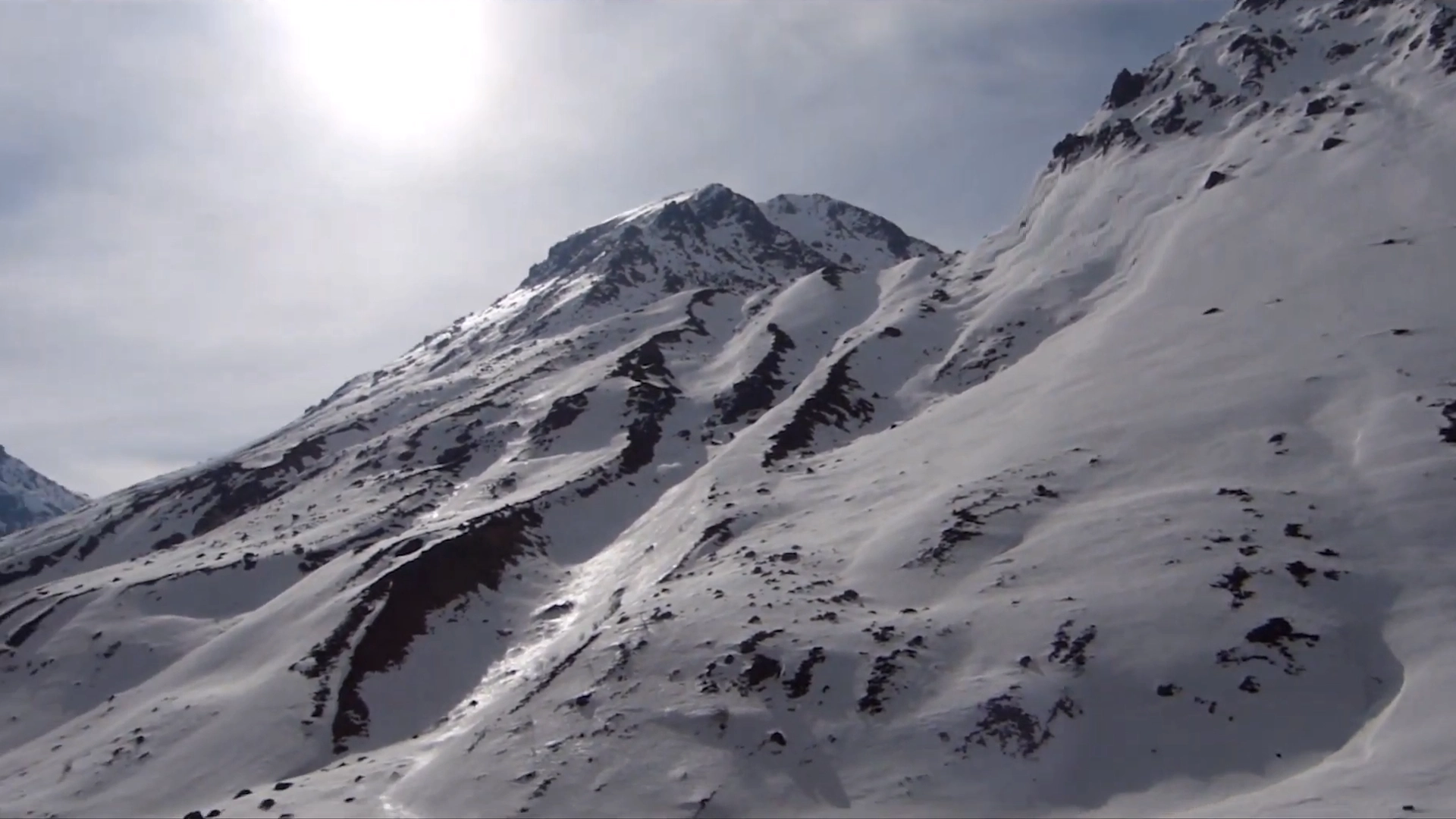
Besides pilgrimage, this trek offers an outstanding view of the Himalayas that lie along the northeastern side of the finger land. The maze of twisted hills, rock spires, and sheer cliffs that make up the landscape from Ama Bamare Himal to Lapchi Karhka gives the snow leopard a perfect habitat for survival. This trek follows the Tama Khosi River from Jagat to Lamanabagar, where we turn off the main trail and head up through dense bamboo and cloud forests to an isolated pocket of Lapchi Kang. It is under the unclimbed rock spire of Ama Bamare and the awesome rock face of Kookur Raja Darra (King Dog Ridge). You will be amazed to see the views of Mt. Melungtse, Mt. Dorje, Ama Bamare Himal, Mt. Tashi Lapcha, beautiful waterfalls, and Tso Rolpa Lake.
This is not merely a trek to a destination. It is an immersion into living Himalayan spirituality. It is a walk through one of the world’s most sacred mountain landscapes. It is an opportunity to disconnect from the modern world while following ancient paths that have inspired generations of seekers.
What is the Lapchi Trek?
The Lapchi Trek is a remote 10-day restricted-area camping trek in Nepal’s Rolwaling region that leads pilgrims and trekkers to the sacred Lapchi Kang and Milarepa Cave near the Nepal–Tibet border.
Situated in Dolakha District within the Gaurishankar Conservation Area, this hidden route combines Himalayan adventure with profound spiritual significance. The journey reaches elevations of approximately 4,850 meters while passing through forests, river valleys, monasteries, alpine landscapes, and active pilgrimage sites.
Unlike Nepal’s famous teahouse treks, Lapchi remains largely untouched by commercial tourism, preserving its authenticity and wilderness character.
For travelers seeking a deeper connection with the Himalayas, Lapchi offers one of the country’s most meaningful trekking experiences.
Where is Lapchi Located?
Lapchi is located in the northern part of Dolakha District in Bagmati Province, Nepal. The sacred valley lies close to the Tibetan border within the Rolwaling Himalaya and falls under the protected Gaurishankar Conservation Area.
The typical access route follows:
Kathmandu → Charikot → Singati → Lamabagar → Dovan → Godavari → Lapchi Village → Milarepa Cave.
The final section enters a restricted area requiring special permits and licensed guiding services.
Is the Lapchi Trek Suitable for Beginners?
Yes, Lapchi Trek is recommended for complete beginners with no prior hiking experience.
The route involves multiple days of walking on rugged terrain, camping in some areas, and reaching altitudes of up to 4,850 meters. You should be prepared to hike for 5–8 hours per day and adapt to basic mountain conditions.
However, you do not need previous trekking experience or technical climbing skills. With reasonable fitness, mental preparedness, and the support of an experienced guide, moderately active people can complete the journey.
It may be suitable for the Lapchi Trek if you:
- Exercise regularly and enjoy outdoor activities.
- Have previous trekking experience above 3,000 meters.
- Are comfortable with camping and simple facilities.
- Are you willing to prepare physically before the trek?
5 Days Lapchi Trek Outline Itinerary
| Day | Route | Duration | Altitude |
| Day 1 | Drive from Kathmandu to Lumnang via Lamabagar | 9–11 hrs drive | 2,900 m / 9,514 ft |
| Day 2 | Trek from Lumnang to Lapchi Village | 5–6 hrs trek | 3,030 m / 9,941 ft |
| Day 3 | Explore Lapchi Village and Hike to Sephuk (Milarepa’s Cave) | 6–8 hrs round trip | 4,600 m / 15,092 ft |
| Day 4 | Trek back to Lamabagar via Lumnang | 6–7 hrs trek + 1–2 hrs drive | 2,077 m / 6,814 ft |
| Day 5 | Drive from Lamabagar to Kathmandu | 8–10 hrs drive | 1,400 m / 4,593 ft |
Trip Note: The construction of the Lamabagar–Lumnang access road has significantly shortened the traditional Lapchi itinerary. This 5 day version is ideal for those with limited time who still wish to experience the sacred Milarepa Cave. You will pass through the hidden Lapchi Valley without compromising the essence of the journey.
My First-Hand Experience at Lapchi: A Journey Beyond Trekking
I have guided and explored many trekking regions across Nepal, but Lapchi remains one of the few places that genuinely changed the way I think about the Himalayas.
The first thing that struck me was the silence.
Unlike the busy trails of Everest or Annapurna, there were no long lines of trekkers, no lodge menus competing for attention, and no constant sound of helicopters overhead. As we left Lamabagar behind and followed the Tama Koshi River deeper into the valley, the outside world seemed to fade away. The trail wound through dense bamboo forests, crossed roaring streams, and climbed steadily beneath towering cliffs draped with prayer flags. It felt as though we were walking into a forgotten chapter of the Himalayas.
When I first arrived at Lapchi Village, I understood why generations of pilgrims had traveled such difficult routes to reach this sacred place. Surrounded by dramatic rock walls and high alpine pastures, the monastery stood quietly beneath the shadow of Lapchi Kang. Monks moved softly between retreat caves, butter lamps flickered inside ancient shrines, and the atmosphere carried a sense of peace that is difficult to describe in words.
The ascent to Milarepa Cave was the most powerful part of the journey.
Climbing the old stone stairways toward the cave, I found myself imagining the determination of Milarepa, the 11th-century Tibetan yogi who meditated here for years in complete solitude. Standing inside the cave, seeing the sacred footprints preserved in the rock and listening to the sound of water flowing from the natural spring beside it, I felt something I rarely experience while trekking—a profound stillness. It was not just another viewpoint to photograph before moving on. It was a place that invited reflection.
What makes Lapchi truly special is that it remains authentic. The people you meet are not performing for tourists. The prayers offered in the monastery are part of daily life. The wilderness is real, and so is the sense of remoteness. You may spend an entire day on the trail without encountering another trekking group.
As a guide, I believe Lapchi offers something increasingly rare in today’s travel world: an opportunity to slow down, disconnect from constant noise, and reconnect with nature, culture, and yourself. It is not the easiest trek in Nepal, nor is it the most famous. But for those willing to venture beyond the usual routes, Lapchi rewards you with an experience that is deeply personal, spiritually moving, and unforgettable.
Even now, when I think back to Lapchi, I remember the sound of prayer flags fluttering in the mountain wind, the silence surrounding Milarepa Cave, and the feeling that some places are meant not only to be seen but truly experienced.
Itinerary of Lapchi Trek in Rolwaling- 5 Days | Cost, Itinerary, Permits & Milarepa Cave Guide| For 2026/27
Your journey to one of Nepal’s most sacred hidden valleys begins with an early morning departure from Kathmandu. Leaving behind the bustling streets of the capital, the road gradually climbs through the scenic mid-hills of central Nepal toward the Dolakha District.
As you travel eastward, the landscapes continuously transform. The busy urban atmosphere gives way to terraced farmlands, traditional Newar settlements, and lush green hillsides dotted with small villages. During clear weather, distant Himalayan peaks occasionally emerge on the horizon, offering a glimpse of the mountains that await.
Passing through Charikot and Singati Bazaar, the route follows the roaring Tama Koshi River upstream. The drive becomes increasingly adventurous as the blacktopped road transitions into a rugged mountain track carved into steep cliffs above the river gorge. Waterfalls cascade from towering rock faces while dense forests cloak the surrounding slopes.
The final section of the drive takes you through Lamabagar, the traditional gateway to the Lapchi region. Continuing further, you arrive at Lumnang, a peaceful settlement surrounded by pristine forests and dramatic mountain landscapes.
Far from the crowds of Nepal’s mainstream trekking routes, Lumnang offers your first taste of the remoteness that defines the Lapchi experience. Depending on the season and availability, you may spend the night in a local homestay or camp beneath a sky illuminated by countless stars.
Today’s Highlights
- Scenic drive through the beautiful hills of Dolakha.
- Traditional Newar and Tamang villages.
- Following the spectacular Tama Koshi River Valley.
- An adventurous off-road section to Lamabagar.
- First glimpse into Nepal’s hidden Himalayan wilderness.
- Peaceful overnight stay in remote Lumnang.
Today marks the beginning of your pilgrimage on foot into the sacred Lapchi Valley.
The trail follows ancient routes once used by traders, pilgrims, and Buddhist practitioners journeying toward Milarepa’s retreat caves. Walking alongside the upper Tama Koshi River, the path gently ascends through enchanting forests of bamboo, pine, and rhododendron.
As you gain elevation, the valley gradually opens up, revealing increasingly dramatic scenery. Massive cliffs rise high above the trail while waterfalls tumble from hidden glaciers. Prayer flags flutter in the mountain breeze, reminding visitors that this is not simply a trekking destination but a living spiritual landscape.
During spring, the forests burst into color as rhododendrons bloom across the hillsides. In autumn, crisp mountain air and crystal-clear skies provide excellent visibility throughout the valley.
Wildlife enthusiasts should remain attentive. This protected region forms part of the Gaurishankar Conservation Area, home to blue sheep, Himalayan tahr, musk deer, langur monkeys, and countless Himalayan bird species.
After several hours of walking, you arrive at Lapchi Village, a secluded highland settlement where traditional pastoral life continues much as it has for generations. Stone houses, yak corrals, and prayer wheels define the landscape, while the nearby Choera Gephel Ling Monastery stands as the spiritual heart of the valley.
As evening approaches, the peaceful atmosphere of Lapchi becomes truly magical. The sounds of chanting monks, fluttering prayer flags, and distant river currents create an unforgettable Himalayan experience.
Today’s Highlights
- Trek along ancient pilgrimage trails.
- Dense bamboo and rhododendron forests.
- Waterfalls and dramatic river gorges.
- Traditional yak-herding communities.
- Arrival at the sacred Lapchi Valley.
- Visit the historic Choera Gephel Ling Monastery.
- Spectacular spiritual ambiance.
Today is undoubtedly the spiritual and emotional highlight of the Lapchi Trek.
After breakfast, you begin the ascent toward Sephuk, the sacred cave where the legendary Tibetan yogi Milarepa meditated during the eleventh century.
The trail climbs steadily above Lapchi Village via ancient stone stairways built into the mountainside. Prayer flags mark the route, and the valley below gradually unfolds into breathtaking panoramas.
As elevation increases, vegetation becomes sparse, replaced by alpine shrubs and rocky terrain. The dramatic Himalayan setting grows increasingly wild and majestic. Towering cliffs, glacier-carved valleys, and distant snow-covered peaks dominate the landscape.
According to Buddhist tradition, Milarepa spent years meditating within these mountains, overcoming hardship to attain enlightenment. His teachings continue to inspire millions of practitioners worldwide.
Eventually, you arrive at Sephuk Cave at approximately 4,600 meters. Pilgrims believe the cave preserves Milarepa’s sacred footprints embedded in the rock, alongside a natural spring whose waters sustained him during his years of retreat.
The atmosphere surrounding the cave is profoundly peaceful. Many visitors choose to sit quietly in meditation, absorbing the extraordinary energy of this sacred place.
Depending on available time and local guidance, you may also visit nearby retreat caves scattered throughout the cliffs above Lapchi. Here, the monks continue to undertake solitary meditation.
The descent back to Lapchi Village offers magnificent views across the entire valley toward the rugged mountains that form the natural border between Nepal and Tibet.
Few trekking experiences in Nepal combine such dramatic landscapes with such deep spiritual significance.
Today’s Highlights
- The most sacred day of the Lapchi pilgrimage.
- Hike to Sephuk, Milarepa’s meditation cave.
- Ancient stone stairways.
- Panoramic views of the Lapchi Valley.
- Sacred footprints and holy spring.
- Active Buddhist retreat caves.
- Opportunities for reflection and meditation.
- Extraordinary Himalayan scenery.
After experiencing the spiritual heart of Lapchi, it is time to begin the return journey.
Descending through the valley offers an entirely new perspective on the landscapes you passed during the ascent. Morning light illuminates the towering cliffs above the monastery while prayer flags dance against the Himalayan skyline.
As you retrace your steps through alpine meadows and forested sections, opportunities for wildlife sightings often increase. The sounds of birdsong replace the silence of higher elevations, and the lush vegetation becomes increasingly dense as you lose altitude.
Crossing suspension bridges and navigating riverside paths, you return to Lumnang before continuing toward Lamabagar.
Although the pilgrimage is nearing its conclusion, many trekkers find this day deeply reflective. The lessons, conversations, and moments of silence experienced in Lapchi linger long after leaving the sacred valley.
A warm meal and comfortable evening in Lamabagar provide a fitting end to your time in the mountains.
Today’s Highlights
- Beautiful morning views over the Lapchi Valley.
- Descending through changing ecological zones.
- Forests rich in Himalayan biodiversity.
- Opportunities for wildlife observation.
- Scenic riverside trails.
- Reflection on the pilgrimage experience.
- Traditional hospitality in Lamabagar.
Following breakfast, you begin the drive back to Kathmandu.
The journey retraces the spectacular Tama Koshi River Valley, passing remote settlements, terraced hillsides, and traditional mountain communities. As the Himalayas gradually fade into the distance, the memories of Lapchi remain vivid.
For many travelers, the Lapchi Trek becomes far more than an adventure holiday. The untouched wilderness, encounters with local culture, and powerful spiritual atmosphere create an experience that is difficult to describe and impossible to forget.
By late afternoon or evening, you arrive back in Kathmandu, where the pilgrimage officially concludes.
Whether you came seeking adventure, cultural discovery, wildlife encounters, or spiritual insight, the hidden valley of Lapchi leaves a lasting impression that continues long after the journey ends.
Today’s Highlights
- Scenic drive along the Tama Koshi Valley.
- Traditional villages and terraced landscapes.
- Final views of the Himalayan foothills.
- Reflection on one of Nepal’s most sacred hidden journeys.
- Arrival back in Kathmandu.
Includes/Excludes
What's Included?
- Local bus or local sharing jeep transportation from Kathmandu-Lamabagar-Kathmandu.
- 08 Breakfasts, 08 Lunches, and 07 Dinners during the trek.
- Accommodation in a teahouse or homestay during the trek.
- An experienced English-speaking guide trained by the government of Nepal.
- One porter for two for trekking for six days (prepare to give max. 15 kgs’ luggage from each of you so that it will not exceed 30 kg. for your porter)
- Necessary Lapchi Village permits.
- Purified drinking water during the entire trekking as per itinerary
- General first-aid medicine kit
- Complimentary T-shirt
- Duffel bag and sleeping bag during the trek (Should return after trek)
What's Excluded?
- Food and Accommodations in Kathmandu
- Personal expenses of any kind
- Any Travel Insurance
- Any additional costs due to natural calamities and unforeseen circumstances might affect itineraries.
- Tips for any staff and guide
- Costs associated with evacuations due to illness, accidents, or other natural disasters like earthquakes, landslides, floods, etc.
- Anything that is not listed in the “PRICE INCLUDES” section above.
Essential Information - Lapchi Trek in Rolwaling- 5 Days | Cost, Itinerary, Permits & Milarepa Cave Guide| For 2026/27
Accommodation on the Lapchi Trek: Where Do You Stay?
One of the most frequently asked questions about the Lapchi Trek is whether it is a teahouse trek or a camping trek. Unlike Nepal’s popular routes such as Everest Base Camp or the Annapurna Circuit, the Lapchi Trek remains largely untouched by commercial tourism infrastructure.
The accommodation experience is therefore very different, and for many travelers, this is exactly what makes Lapchi special.
Is the Lapchi Trek a Teahouse Trek or a Camping Trek?
The short answer is that the Lapchi Trek is primarily a camping trek, although basic local accommodation may be available in some lower settlements depending on the season.
The route follows an ancient pilgrimage trail where modern lodges have not yet developed. As a result, trekkers experience the Himalayas in a more authentic and immersive way.
Accommodation During the Trek
Lumnang (Approx. 2,900 m)
Your first overnight stay is usually in a simple village homestay or a fully supported campsite. Facilities are basic but welcoming, providing an opportunity to experience local mountain hospitality.
Lapchi Village (3,030 m)
In Lapchi Village, accommodation may be arranged in a monastery guesthouse, local homestay, or campsite, depending on group size and availability. Staying near the monastery allows you to witness the spiritual atmosphere of this sacred valley.
Lamabagar (2,077 m)
On the return journey, trekkers typically stay in a local lodge or homestay offering simple but comfortable facilities.
What Are the Facilities Like?
Accommodation on the Lapchi Trek is intentionally simple.
You can generally expect:
- Twin-sharing rooms, where available.
- Foam mattresses and basic bedding.
- Shared toilet facilities.
- Bucket showers or no shower facilities in remote areas.
- Limited electricity for charging devices.
- No luxury amenities.
- Genuine local hospitality.
Food and Meals on the Lapchi Trek: What Can You Expect?
Food is an important part of any trekking experience, especially in remote Himalayan regions. Here, proper nutrition supports both energy levels and acclimatization.
Despite its remoteness, the Lapchi Trek provides hearty and nourishing meals designed to sustain you throughout the journey.
What Kind of Food Is Available on the Lapchi Trek?
Meals vary depending on whether you stay in village accommodations or use a camping setup. In both cases, the emphasis is on fresh, filling, and energy-rich food.
Common meals include:
Breakfast
- Tibetan bread
- Chapati
- Porridge
- Muesli
- Pancakes
- Eggs prepared in various styles
- Tea or coffee
Lunch and Dinner
Traditional Nepali and Tibetan dishes are commonly served, including the following:
- Dal Bhat (rice, lentils, vegetables, and pickles)
- Fried rice
- Vegetable curry
- Noodles
- Thukpa (Tibetan noodle soup)
- Potato dishes
- Pasta
- Seasonal vegetables
- Soup
Are Vegetarian Meals Available?
Yes. Vegetarian options are widely available and are often recommended while trekking in remote regions. Vegan meals can also be arranged with advance notice.
What About Drinking Water?
You are encouraged to avoid purchasing single-use plastic bottles.
Safe drinking water can be obtained through:
- Boiled water is provided in every teahouse.
- Water purification tablets.
- Personal filtration systems.
Carrying a reusable water bottle is strongly recommended.
Snacks and Energy Foods
Many trekkers also bring their own snacks, such as the following:
- Energy bars.
- Chocolate.
- Nuts and dried fruits.
- Electrolyte supplements.
These provide quick energy during longer hiking days.
Dining Experience in Lapchi
Meals are more than just fuel on the Lapchi Trek. They become moments of connection, sharing stories with fellow trekkers, enjoying local hospitality, and experiencing the warmth of mountain communities in one of Nepal’s most isolated valleys.
Transportation for the Lapchi Trek: How Do You Get There?
Due to its remote location near the Nepal–Tibet border, reaching Lapchi is part of the adventure itself.
The journey combines scenic mountain roads, dramatic river valleys, and rugged off-road tracks that lead into one of Nepal’s least-visited trekking regions.
How Do You Reach the Lapchi Trek?
The trek begins and ends in Kathmandu. The typical route is:
Kathmandu → Charikot → Singati → Lamabagar → Lumnang
After completing the trek, the same route is followed back to Kathmandu.
Kathmandu to Lumnang
The drive from Kathmandu to Lumnang generally takes around 9–11 hours, depending on road conditions.
The route offers spectacular scenery, including:
- Terraced hillsides.
- Traditional villages.
- Dense forests.
- Waterfalls.
- The impressive Tama Koshi River Gorge.
- Views of the Dolakha landscape.
The final section beyond Lamabagar follows a rough mountain road that requires an experienced driver.
What Type of Vehicle Is Used?
A private four-wheel-drive jeep is highly recommended for comfort, flexibility, and safety.
Private transportation provides:
- Convenient hotel pick-up and drop-off.
- Better comfort on rough roads.
- Greater flexibility for photo stops.
- Reduced travel time compared to public transportation.
Can I Use Public Transportation?
While local buses and shared jeeps operate on portions of the route, they are often crowded, slower, and less comfortable.
Most international trekkers prefer private jeep transportation due to the remote nature of the destination.
Is the Road Safe?
The route is generally safe during the main trekking seasons of spring and autumn. However, mountain roads can be affected by weather conditions, particularly during the monsoon season.
Traveling with an experienced local driver familiar with the Lapchi route is strongly recommended.
Permits for the Lapchi Trek
One of the most common questions travelers ask before planning the Lapchi Trek is: “What permits are required for the Lapchi Trek?”
Since Lapchi lies within a restricted region near the Nepal–Tibet border and inside the Gaurishankar Conservation Area, you must obtain specific permits before entering the area. Understanding these permit requirements in advance helps ensure a smooth and hassle-free trekking experience.
Do You Need a Permit for the Lapchi Trek?
Yes. Foreign trekkers must obtain the required permits before starting the Lapchi Trek. Independent trekking is not permitted in the restricted section of the route, and all permit arrangements must be processed through a registered Nepali trekking agency or licensed guide.
Restricted Area Permit (RAP)
A Restricted Area Permit is mandatory for entering the Lapchi region beyond Lamabagar.
- Required for all foreign nationals.
- Issued through a registered trekking agency.
- Independent applications are not accepted.
- A licensed guide is compulsory.
Gaurishankar Conservation Area Permit (GCAP)
Since the route passes through the Gaurishankar Conservation Area, trekkers must also obtain a conservation permit.
This permit contributes to:
- Wildlife conservation.
- Habitat protection.
- Community development initiatives.
- Sustainable tourism management.
Do You Need a Guide for the Lapchi Trek?
Yes, the Lapchi Trek requires a licensed guide due to its restricted-area status and remote terrain. Hiring a professional guide enhances both safety and cultural understanding while ensuring compliance with permit regulations.
Documents Required for Lapchi Trek Permits
You generally need:
- A valid passport with at least six months’ validity.
- Nepal tourist visa.
- Passport-sized photographs.
- Travel insurance details.
- Personal information required for permit processing.
Lapchi Trek Packing List: What Should You Pack?
Packing properly for the Lapchi Trek is essential due to its remote location, camping nature, and varying mountain weather conditions.
Unlike popular teahouse routes, Lapchi offers limited opportunities to purchase forgotten items. Bringing the right equipment ensures comfort, safety, and enjoyment throughout your journey.
What Should You Pack for the Lapchi Trek?
Your packing list should focus on practicality, layering, and adaptability.
Clothing
- Moisture-wicking trekking T-shirts.
- Thermal base layers.
- Fleece jacket.
- Insulated down jacket.
- Waterproof and windproof outer shell.
- Trekking pants.
- Warm hat.
- Sun hat or cap.
- Gloves.
- Comfortable undergarments.
- Extra socks.
Footwear
- Broken-in waterproof trekking boots.
- Camp shoes or sandals.
- Gaiters (season dependent).
Trekking Gear
- Daypack (30–40 litres).
- Duffel bag.
- Trekking poles.
- Headlamp with spare batteries.
- Sunglasses with UV protection.
- Water bottles or hydration bladder.
- Dry bags.
Sleeping Equipment
If not provided by your trekking operator:
- Four-season sleeping bag.
- Sleeping bag liner.
- Inflatable pillow.
Personal Items
- Sunscreen.
- Lip balm.
- Wet wipes.
- Toothbrush and toothpaste.
- Quick-dry towel.
- Hand sanitizer.
- Toilet paper.
First Aid and Health
- Personal medications.
- Diamox (if prescribed).
- Blister treatment.
- Pain relievers.
- Bandages.
- Rehydration salts.
Documents and Essentials
- Passport.
- Travel insurance certificate.
- Permit copies.
- Extra passport photographs.
- Cash in Nepali Rupees.
Seasonal Packing Tips
Spring (March–May)
Pack lighter layers for warmer daytime temperatures while preparing for cool evenings.
Autumn (September–November)
Expect clear skies and chilly mornings. Warm layers are essential.
Winter (December–February)
Prepare for freezing temperatures and possible snowfall with additional insulation.
Is the Lapchi Trek Good for Wildlife Lovers?
Absolutely. Lapchi is one of the few trekking routes in Nepal where you walk through relatively undisturbed ecosystems with opportunities to observe wildlife in its natural habitat.
The Lapchi Trek is not only a spiritual pilgrimage but also one of Nepal’s most remarkable wilderness experiences.
Located within the Gaurishankar Conservation Area, the route traverses an ecologically rich landscape that supports diverse Himalayan wildlife and dramatic natural scenery.
Snow Leopard Habitat
One of Lapchi’s most fascinating features is its reputation as a snow leopard landscape.
The higher reaches of the valley form part of an important transboundary wildlife corridor linking Nepal and Tibet.
Although sightings are extremely rare, the possibility of trekking through snow leopard territory adds a unique sense of adventure.
Mammals Found in the Region
The Gaurishankar Conservation Area supports numerous Himalayan species, including:
- Blue Sheep (Bharal).
- Himalayan Tahr.
- Musk Deer.
- Langur Monkeys.
- Himalayan Weasel.
- Himalayan Black Bear (occasionally).
Birdlife Along the Trail
Bird enthusiasts may encounter the following:
- Himalayan Monal.
- Blood Pheasant.
- Snow Pigeon.
- Various eagles and raptors.
- Alpine songbirds.
Changing Landscapes in the Lapchi Trek
One of the most rewarding aspects of the Lapchi Trek is the diversity of landscapes.
You will pass through:
- River gorges.
- Bamboo forests.
- Rhododendron woodlands.
- Pine forests.
- Alpine meadows.
- Rocky high-altitude terrain.
- Sacred valleys beneath towering cliffs.
These ever-changing environments make every day of the journey visually distinct.
Mountain Scenery in the Lapchi Trek
On clear days, you may enjoy views of:
- Gaurishankar (7,134 m).
- Melungtse (7,181 m).
- Rolwaling Himalayan peaks.
- Border mountains stretching toward Tibet.
Responsible Trekking in Lapchi: Cultural Etiquette and Sustainable Travel Tips
Lapchi is much more than a trekking destination.
For local communities and Buddhist pilgrims, it is a sacred landscape where spiritual traditions have been preserved for centuries. Respectful behavior enhances your experience while helping protect the cultural and natural heritage of the region.
Why Is Cultural Respect Important in Lapchi?
The Lapchi Valley remains an active pilgrimage destination.
Monasteries, meditation caves, prayer sites, and sacred landmarks continue to hold deep religious significance for local people and visiting practitioners.
Respecting these traditions contributes to sustainable and responsible tourism.
Cultural Etiquette for the Lapchi Trek
- Dress Modestly
Wear appropriate clothing when visiting monasteries and sacred sites. Avoid revealing attire.
- Ask Before Taking Photographs
Always seek permission before photographing monks, local residents, or religious ceremonies.
- Walk Clockwise Around Sacred Objects
Prayer wheels, stupas, mani walls, and chortens should traditionally be passed on the left so that you move clockwise around them.
- Maintain Quiet Around Retreat Areas
Meditation caves and retreat centers are places of contemplation. Speak softly and avoid unnecessary disturbance.
- Remove Shoes When Required
Follow local customs when entering temples, monasteries, or private homes.
Responsible Trekking Practices
Follow Leave No Trace Principles
- Carry out non-biodegradable waste.
- Minimize environmental impact.
- Avoid littering.
- Stay on established trails.
Reduce Plastic Waste
Use reusable water bottles and purification methods instead of single-use plastic bottles.
Support Local Communities
Choose local guides, hire local staff, and purchase locally produced goods whenever possible.
Respect Wildlife
Observe animals from a distance and never attempt to feed or approach them.
Why Responsible Tourism Matters
Lapchi’s greatest strength lies in its authenticity. Unlike heavily commercialized trekking destinations, this sacred valley remains relatively untouched. Every visitor has a role in preserving its cultural integrity, ecological richness, and spiritual atmosphere for future generations.
Why is Lapchi Famous?
Lapchi is famous for 3 extraordinary reasons.
- One of Tibetan Buddhism’s Holiest Sites
Lapchi Kang is regarded as one of the Three Great Sacred Mountains, alongside Mount Kailash and Tsari.
- The Meditation Cave of Milarepa
The legendary yogi Milarepa is believed to have achieved profound spiritual realization while meditating in Lapchi.
- Untouched Himalayan Wilderness
Very few trekkers visit Lapchi each year, making it one of Nepal’s most exclusive and least-crowded trekking destinations.
Who Was Milarepa?
Milarepa (1040–1123) is among the most celebrated figures in Tibetan Buddhism. His life story tells of transformation, redemption, and enlightenment. After overcoming a troubled past, he devoted himself to meditation under his teacher Marpa and eventually became one of Tibet’s greatest spiritual masters.
Milarepa composed hundreds of spiritual songs and meditated in several Himalayan caves, with Lapchi considered one of his most sacred retreat sites.
Today, pilgrims from Nepal, Tibet, Bhutan, and around the world continue to visit Lapchi to honor his legacy.
Why is Lapchi Called the 3rd Holiest Pilgrimage Site?
Within Tibetan Buddhist tradition, three sacred mountains hold exceptional spiritual importance:
- Mount Kailash
- Tsari
- Lapchi
Each represents a unique path of purification and spiritual merit. Lapchi’s association with Milarepa and generations of retreat practitioners has elevated it to one of the most revered pilgrimage destinations in the Himalayan Buddhist world.
Why Trust Us for Your Lapchi Trek?
Planning a trek to Lapchi is very different from booking a standard Himalayan trek. This is a remote restricted-area expedition where there are no established teahouse networks, limited communication facilities, and challenging logistics that require local knowledge and experience.
When you travel with us, you work directly with a licensed trekking guide who specializes in off-the-beaten-path Himalayan journeys. There are no overseas sales teams, no agency middlemen, and no inflated commissions, just honest communication and personalized service from the person who will guide you on the trail. Your journey is planned and led by someone who understands both the mountains and the people who call them home.
Government Licensed Professional Trekking Guide
Your safety and trekking experience should never be left to chance.
Basanta is a licensed trekking guide authorized by the Nepal Tourism Board, having completed the required training and certification to lead treks throughout Nepal’s Himalayan regions.
This means you are trekking with someone who understands:
- Trekking regulations and restricted-area procedures.
- Route planning and logistical coordination.
- Group management in remote environments.
- Emergency response protocols.
- Cultural etiquette and responsible tourism practices.
Unlike unlicensed freelancers operating informally, an NTB-licensed guide provides professional accountability and recognized credentials.
Direct Communication from the Person Guiding You
One of the biggest frustrations all face is speaking to a sales representative who has never actually been on the trek they are selling.
The person answering your questions is the same person leading your expedition.
You can discuss:
- Trek difficulty and fitness preparation.
- Packing recommendations.
- Dietary requirements.
- Spiritual interests and pilgrimage goals.
- Photography opportunities.
- Wildlife expectations.
- Customized itinerary adjustments.
This direct communication eliminates misunderstandings and ensures that your trek is tailored to your expectations.
Why This Matters
No one understands your concerns better than the guide who will walk beside you every day on the trail.
Specialized Experience in Restricted and Remote Treks
Lapchi is not Everest Base Camp. It is a restricted-area camping expedition that demands careful preparation and field experience.
Basanta specializes in organizing and guiding treks across some of Nepal’s most remote Himalayan regions, including the following:
- Manaslu Circuit Trek
- Tsum Valley Trek
- Rolwaling Valley Trek
- Kanchenjunga Circuit Trek
- Everest Region Treks
- Annapurna Region Treks
These journeys involve:
- Remote logistics.
- Permit coordination.
- High-altitude environments.
- Cultural sensitivity.
- Flexible decision-making in changing mountain conditions.
Why This Matters
Experience becomes most valuable when unexpected situations arise. Weather changes, road conditions shift, and mountain travel rarely follows a perfect schedule. An experienced guide adapts while prioritizing safety and enjoyment.
Authentic Local Knowledge
Travel becomes more meaningful when it goes beyond scenery. As a Nepali guide with deep roots in mountain communities, Basanta offers insights that cannot be found in guidebooks.
You gain a deeper understanding of:
- Tibetan Buddhist traditions.
- The significance of Milarepa’s meditation retreat.
- Sherpa and Tamang culture.
- Local customs and etiquette.
- Himalayan lifestyles and seasonal migration patterns.
- Traditional beliefs associated with Lapchi Kang.
Rather than simply walking through villages, you learn the stories that give these landscapes meaning.
Why This Matters
The Lapchi Trek is not just a physical adventure; it is also a spiritual and cultural journey.
Small Groups, Personalized Service
Large commercial groups often move quickly, follow rigid schedules, and struggle to accommodate individual interests.
Basanta intentionally keeps groups small.
This allows for:
- Greater flexibility.
- Better acclimatization support.
- More meaningful cultural interactions.
- Individual attention.
- Safer group management.
- Customized pacing based on the group’s ability.
Why This Matters
Every traveler moves differently. Small groups create a more comfortable and rewarding trekking experience.
Honest Pricing Without Agency Markups
Many trekking companies outsource guiding services while adding substantial administrative commissions.
By booking directly with us, you receive transparent pricing that reflects the actual cost of operating the trek.
Your investment supports:
- Local guides and support staff.
- Fair porter wages.
- Quality camping equipment.
- Responsible logistics.
- Community-based economic benefits.
Why This Matters
You know exactly where your money goes and who benefits from your journey.
Safety Comes First
No summit, viewpoint, or itinerary is more important than your well-being. Safety principles guiding every Lapchi expedition include the following:
- Conservative acclimatization practices.
- Daily health monitoring.
- Flexible itinerary adjustments when necessary.
- Comprehensive first-aid preparedness.
- Emergency evacuation coordination.
- Weather and trail-condition assessments.
The mountains will always be there. Returning home safely is the true success of every trek.
Why This Matters
A responsible guide knows when to move forward—and when to turn back.
Responsible and Respectful Tourism
Lapchi remains one of Nepal’s most sacred and least-visited Himalayan destinations. Protecting its environment and cultural heritage is essential.
Treks are operated with a commitment to:
- Leave No Trace principles.
- Respect for monasteries and pilgrimage sites.
- Ethical photography practices.
- Supporting local communities.
- Fair treatment and compensation of trekking staff.
- Minimizing environmental impact.
Why This Matters
The future of Lapchi depends on travelers who explore with respect and humility.
What You Can Expect When Trekking With Us
When you choose this journey, you can expect:
✓ Professional guidance from an NTB-licensed trekking guide.
✓ Personalized communication before and during the trek.
✓ Expertise in restricted-area Himalayan expeditions.
✓ Small-group experiences focused on quality over quantity.
✓ Honest pricing without hidden costs.
✓ Strong emphasis on safety and responsible tourism.
✓ Genuine cultural connections and local insights.
✓ A journey designed with care, flexibility, and authenticity.
Who Should Consider Another Trek Instead?
While Lapchi is extraordinary, it may not be the right choice for everyone.
You may prefer another Himalayan trek if you:
- Want comfortable teahouse accommodation every night.
- Require reliable Wi-Fi and mobile connectivity.
- Prefer easier logistics.
- You are undertaking your very first trek and would benefit from a more accessible route.
In such cases, destinations like Annapurna Base Camp, Langtang Valley, or Poon Hill may be more suitable introductions to trekking in Nepal.
General Questions About the Lapchi Trek
What is the Lapchi Trek?
The Lapchi Trek is a short but remote pilgrimage and adventure trek in Nepal’s Rolwaling region that leads to the sacred Lapchi Valley, Milarepa’s Cave, and Lapchi Kang near the Nepal–Tibet border.
Where is the Lapchi Trek located?
The Lapchi Trek is located in the Dolakha District of northeastern Nepal within the Gaurishankar Conservation Area, close to the Tibetan border.
Why is the Lapchi Trek famous?
The trek is famous for Milarepa’s Cave, its importance in Tibetan Buddhism, untouched Himalayan wilderness, and being one of Nepal’s least visited sacred trekking destinations.
Is Lapchi Kang a mountain?
Yes. Lapchi Kang is a sacred Himalayan peak revered by Tibetan Buddhists as one of the Three Great Sacred Mountains.
Why is Lapchi considered holy?
Lapchi is believed to be one of the primary meditation sites of the Tibetan yogi Milarepa and is regarded as one of Tibetan Buddhism’s most sacred pilgrimage destinations.
Is the Lapchi Trek worth it?
Yes. The Lapchi Trek offers a unique combination of spirituality, wilderness, mountain scenery, and cultural authenticity that is difficult to find elsewhere in Nepal.
Most asked questions
FAQs about Lapchi Trek in Rolwaling- 5 Days | Cost, Itinerary, Permits & Milarepa Cave Guide| For 2026/27
The short Lapchi Trek can be completed in 5 days, while extended versions may take between 8 and 16 days depending on the itinerary.
The shortest itinerary is a 5-day trip from Kathmandu to Lumnang, Lapchi Village, Milarepa Cave, and back.
Yes. The itinerary can be extended to include Rolwaling Valley, Tsho Rolpa, Beding, or other nearby destinations.
The short itinerary does not include a separate acclimatization day, but the gradual ascent generally allows sufficient adjustment for most trekkers.
The Lapchi Trek is considered moderate to challenging due to its remote setting, high altitude, and steep trails.
Fit beginners with prior hiking experience can complete the trek, although previous trekking experience is recommended.
Trekkers generally walk between 5 and 8 hours per day depending on the itinerary.
The hike to Sephuk (Milarepa’s Cave) is typically the most demanding section due to its steep ascent and higher altitude.
Basic cardiovascular fitness, regular walking, and leg-strengthening exercises are beneficial before the trek.
Older children with trekking experience and good fitness may complete the trek under parental supervision.
Healthy and active senior travelers who are accustomed to hiking may undertake the trek with proper preparation.
The highest point of the trek is approximately 4,600 meters (15,092 feet) at Sephuk, Milarepa’s Cave.
Yes. Although the itinerary is relatively short, Acute Mountain Sickness (AMS) can occur above 2,500 meters.
Common symptoms include headache, nausea, dizziness, fatigue, loss of appetite, and difficulty sleeping.
Ascend gradually, stay hydrated, avoid alcohol, eat properly, and inform your guide immediately if symptoms develop.
Diamox may be useful for some trekkers, but it should only be taken after consulting a medical professional.
Yes. Helicopter evacuation can be arranged in emergencies, weather permitting
Yes. Comprehensive travel insurance covering high-altitude trekking and emergency evacuation is strongly recommended.
No. The Lapchi Trek is primarily a camping and homestay-based trekking experience.
You stay in local homestays, monastery guesthouses, or camps, depending on the itinerary and group arrangements.
Private rooms may occasionally be available in lower villages but cannot be guaranteed.
Basic shared toilets are available in villages, while camping groups use temporary toilet arrangements.
Hot showers are limited and may not be available in the more remote sections of the trek.
Limited electricity is available in some settlements, but charging facilities should not be expected everywhere.
Wi-Fi is generally unavailable throughout most of the Lapchi Trek.
Meals commonly include Dal Bhat, Tibetan bread, noodles, soups, rice dishes, potatoes, vegetables, and eggs.
Yes. Vegetarian meals are widely available.
Yes. Vegan dietary requirements can often be accommodated with advance notice.
Boiled water, purification tablets, or filtration systems should be used before drinking.
Availability is extremely limited, and reusable bottles are encouraged.
Yes. Energy bars, nuts, chocolates, and electrolyte supplements are recommended.
The trek is accessed by private jeep from Kathmandu via Charikot, Singati, Lamabagar, and Lumnang.
The drive generally takes between 9 and 11 hours depending on road conditions.
Yes, although mountain roads can be rough and seasonal weather conditions may affect travel times.
Public buses and shared jeeps operate on parts of the route, but private transportation is more convenient and comfortable.
Four-wheel-drive private jeeps are commonly used for the journey.
Yes. The Lapchi Trek requires specific permits due to its restricted-area status.
You generally require a Restricted Area Permit (RAP), and Gaurishankar Conservation Area Permit (GCAP).
Yes. A licensed guide is mandatory for the restricted area.
No. Independent trekking is not permitted within the restricted section of the route.
Your licensed guide or trekking agency usually handles the permit process.
A valid passport, visa, photographs, and insurance information are generally required.
Essential items include layered clothing, trekking boots, warm gear, toiletries, medications, and personal documents.
Yes. A warm sleeping bag suitable for cold temperatures is recommended.
While not mandatory, trekking poles are highly recommended for steep sections.
Waterproof, well-broken-in trekking boots with good ankle support are ideal.
Yes. There are no ATMs along the trekking route.
Yes. Many trekking shops in Kathmandu offer affordable gear rentals.
Snow leopards inhabit the region, although sightings are extremely rare.
You may encounter blue sheep, Himalayan tahr, musk deer, langur monkeys, and alpine birds.
Depending on weather conditions, views may include Gaurishankar, Melungtse, and surrounding Rolwaling peaks.
Yes. The Gaurishankar Conservation Area supports a rich diversity of Himalayan birdlife.
Autumn and early winter generally provide favorable conditions for wildlife sightings.
Milarepa was an 11th-century Tibetan Buddhist yogi and poet considered one of the greatest spiritual masters in Tibetan Buddhism.
Milarepa’s Cave, also known as Sephuk, is a sacred meditation site located above Lapchi Village.
Pilgrims visit Lapchi to honor Milarepa, seek blessings, and engage in spiritual practice.
Absolutely. The trek welcomes travelers from all backgrounds.
Yes. The Choera Gephel Ling Monastery is one of the most important religious sites in the valley.
Yes. Many trekkers choose to meditate at Milarepa’s Cave and other peaceful locations.
Dress modestly, speak quietly, and follow local customs.
Always ask for permission before photographing monks or religious ceremonies
Tipping is appreciated and considered customary in Nepal.
Avoid littering, use reusable bottles, respect wildlife, and support local communities.
Leave No Trace refers to minimizing your environmental impact and preserving natural areas for future generations.
Spring (March to May) and autumn (September to November) are considered the best seasons.
Costs vary depending on group size, services, and itinerary length.
No. Lapchi remains one of Nepal’s least-visited trekking destinations.
Solo travelers can often join existing groups arranged by local operators.
Booking at least a few weeks in advance is recommended, especially during peak seasons.
Yes. Popular extensions include Rolwaling Valley, Tsho Rolpa, and Beding.
Local guides provide logistical expertise, cultural insight, permit assistance, and support local communities while enhancing safety and the overall trekking experience.
Reviews on Lapchi Trek in Rolwaling- 5 Days | Cost, Itinerary, Permits & Milarepa Cave Guide| For 2026/27
Be first to post a review in this trip.