

Manaslu Circuit Trek Cost for 2026 & 2027
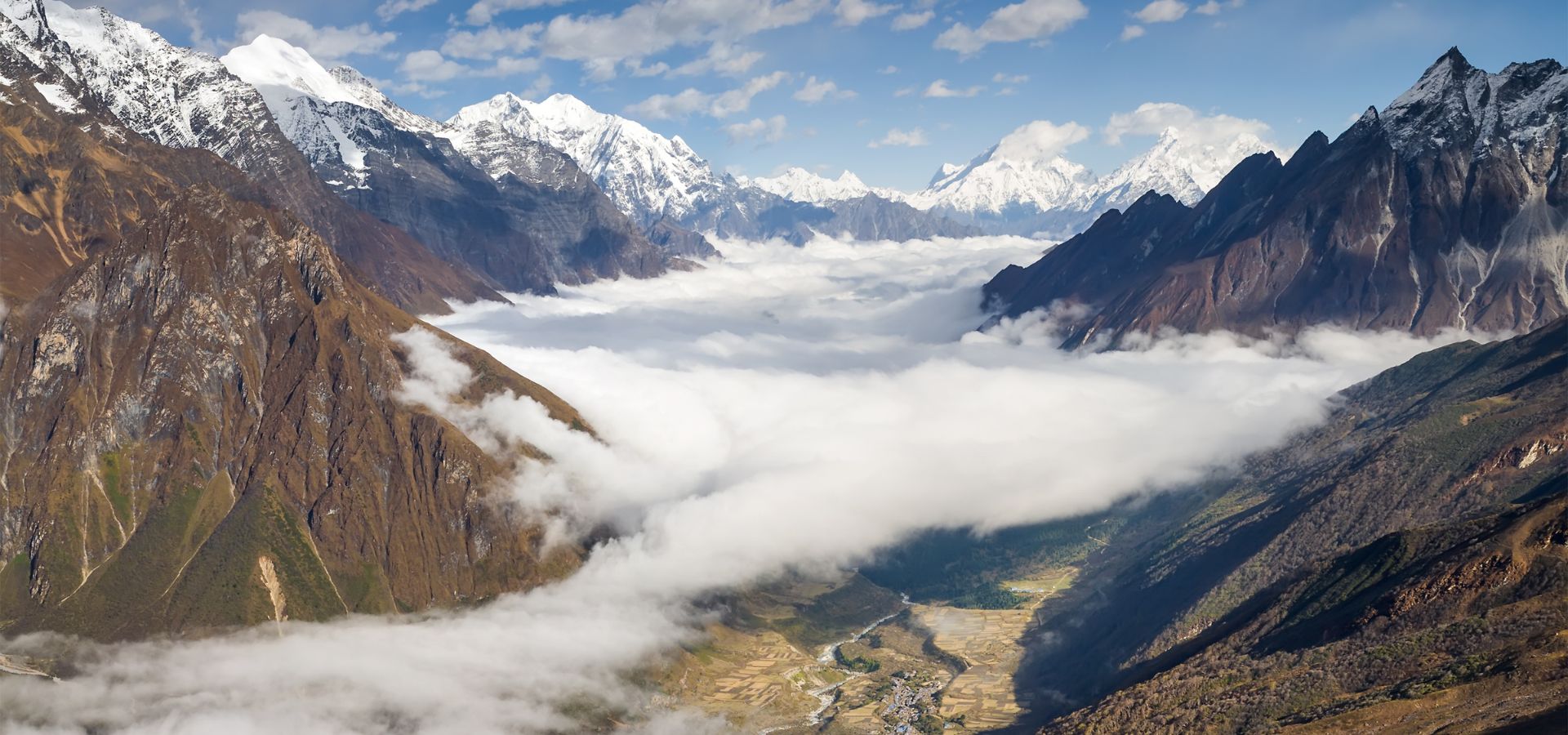
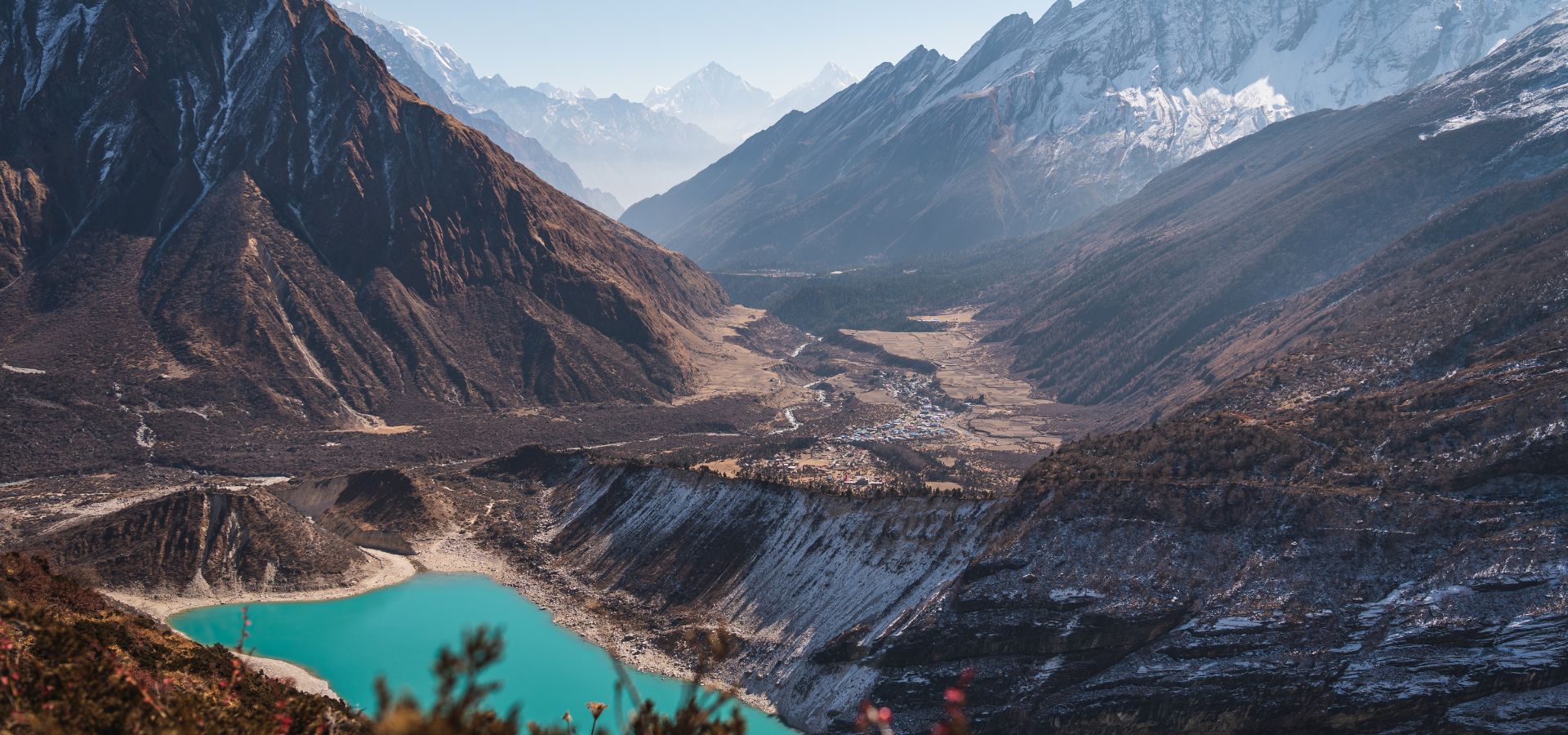
The Manaslu Circuit Trek offers one of the most authentic Himalayan trekking experiences left in the country. Circling Mount Manaslu (8,163 m), the world’s eighth-highest peak, this trail winds through remote villages, deep river gorges, high alpine pastures, and dramatic mountain passes. Unlike Everest or Annapurna, Manaslu lies in a restricted area of Nepal, which means controlled access, fewer trekkers, and a landscape that still feels wild and deeply rooted in traditional Tibetan-influenced culture.
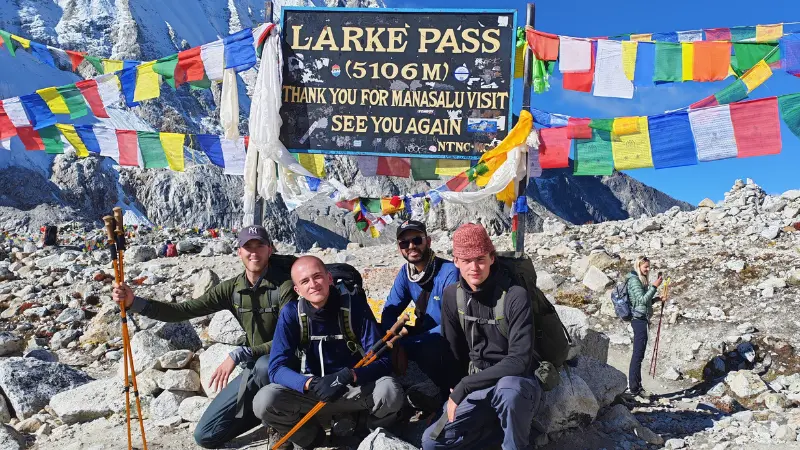
What makes Manaslu special is not just the scenery, though the views are extraordinary, but the sense of remoteness. Days pass without crowds, teahouses feel personal rather than commercial, and interactions with locals are unfiltered and genuine. Prayer flags flutter over stone villages, monasteries sit quietly above the trail, and the crossing of Larkya La Pass feels earned rather than rushed. For trekkers seeking solitude, cultural depth, and raw Himalayan beauty, Manaslu delivers something increasingly rare.
That said, this exclusivity comes with a price. Because the Manaslu Circuit is a restricted trek, you must trek with a licensed guide, obtain special permits, and travel with at least two trekkers (or pay for a “ghost permit”). Logistics are more complex than in open trekking regions, and costs can vary widely depending on season, group size, and service level. The Manaslu Circuit Trek cost ranges from USD 700 to USD 990, depending on your group size, logistics, and duration.
US$ 799
This often leaves you asking the same questions:
- How much does the Manaslu Circuit Trek actually cost?
- Where does the money go, i.e., permits, guide, food, and transport?
- How can I plan a realistic trekking budget without cutting corners on safety or experience?
The Manaslu Circuit Trek cost for 2026 & 2027 is not just about numbers; it’s about planning smartly. Prices are gradually increasing due to permit regulations, guide wages, inflation, and infrastructure improvements. In this guide, you will find a clear, actionable breakdown of Manaslu Circuit Trek costs, including permits, guide and porter fees, accommodation, food, transportation, and optional expenses.
The Non-Negotiable Fixed Costs
When planning the Manaslu Circuit Trek, understanding permit costs is foundational because these are required by the Government of Nepal and conservation authorities before you can step onto the trail. Unlike open trekking regions, Manaslu lies in a restricted area, meaning paperwork is mandatory and must be obtained through a registered trekking agency with a licensed guide.
Here is a detailed overview of the key official permits required for 2026 and 2027, including their typical costs, variations, and the locations where they can be obtained.
Manaslu Restricted Area Permit (RAP)
The Manaslu Restricted Area Permit, often mistakenly referred to as MCAP, is the most important and expensive permit for this trek. It is issued by Nepal’s Department of Immigration and is mandatory for anyone entering the restricted section of the Manaslu region.
The RAP is time-based, not route-based. This means the cost depends on:
- The season you trek in (peak vs. off-peak)
- The number of days you spend inside the restricted zone
Most standard Manaslu Circuit itineraries require 10–14 days within the restricted area, which is why this permit makes up a significant portion of the overall Manaslu Circuit permit cost.
Manaslu Conservation Area Project (MCAP) Permit
The Manaslu Conservation Area Project (MCAP) permit is separate from the restricted area permit and serves a different purpose. While the RAP regulates access, the MCAP permit supports environmental conservation and local community development in the Manaslu region.
This permit is required because:
- Large sections of the trek pass through protected forests, rivers, and wildlife habitats
- Funds contribute to trail maintenance, waste management, and conservation programs
Annapurna Conservation Area Permit (ACAP)
Many trekkers are surprised to learn that the Manaslu Circuit Trek does not end entirely within the Manaslu region. After crossing the dramatic Larkya La Pass (5,106 m), the trail descends into the Annapurna Conservation Area, making the ACAP permit mandatory.
The ACAP permit is required because:
- The final trekking days pass through Annapurna-managed land
- Conservation and infrastructure in this region are funded through permit fees
- It legally allows your exit via Dharapani, Bhimthang, or onward toward Annapurna Circuit routes
Local Area Permit
You need to pay the local area permit in the first checkpoint which is Jagat. You can’t issue local area permit in Kathmandu or any other city. This permit is used for the development of the the trail and upliftment of the local people.
Permit Cost Table (2026/2027)
Below is a clear table summarizing the main permit fees in USD and NPR for typical foreign trekkers. Costs are based on the latest available data and projected modest increases for 2026/2027 where applicable:
Permit Name | Cost | Paid In |
|---|---|---|
Manaslu Restricted Area Permit (RAP) | USD 100 (first 7 days peak) + USD 15/day after | USD |
USD 75 (first 7 days off-peak) + USD 10/day | ||
Manaslu Conservation Area Permit (MCAP) | ~NPR 3,000 (~USD 25–30) | NPR |
Annapurna Conservation Area Permit (ACAP) | ~NPR 3,000 (~USD 25–30) | NPR |
Local Area Permit | NPR 1,000 (USD 8-9) | NPR |
*SAARC Nationals include citizens of Bangladesh, Bhutan, India, Pakistan, Sri Lanka, the Maldives, and Nepal (local rates can be significantly lower). Standard foreign rates apply to most international trekkers.
The Biggest Budget Factor: Guided Tour vs. Independent Trekking
When planning your Manaslu Circuit trek package cost for 2026 & 2027, one of the most important decisions you’ll make is whether to go with an all-inclusive package tour or organize independently. This choice can dramatically influence both your overall budget and the style of your trek.
Option A: All-Inclusive Package Tour
Choosing an all-inclusive trek with a reputable operator remains the most popular and stress-free way to do the Manaslu Circuit Trek, especially given the restricted area regulations. Because the region requires special permits, trained guides, and adherence to specific route regulations, most trekkers prefer to book through a company.
Average Cost Range (2026/2027)
For 2026 & 2027, a typical all-inclusive Manaslu Circuit trek package cost ranges from USD 850 to USD 990 per person for the standard 12–14 day itinerary. Prices vary based on group size, departure city, accommodation standards, and included meals.
What Should an All-Inclusive Package Include?
A reliable package from the best Manaslu trek companies will cover:
- Permits: Manaslu Restricted Area Permit, MCAP, ACAP and local permit.
- Transport: Private or shared vehicles from Kathmandu to Machha Khola (trek start) and return from Tilje.
- Guide & Porter: Licensed English-speaking guide.
- Accommodation: Tea house/lodge stays along the trail.
- Meals: Breakfast, lunch, and dinner during trekking days.
- Accommodation in Kathmandu: One or two nights pre-trek hotel (optional/depending on company).
- Emergency Support: Liaison with trekking agencies for extra porters, evacuation assistance, and contingency planning.
Pros & Cons
Pros
- Hassle-free: Logistics, permits, and meals are managed end-to-end.
- Safety: Licensed guides are trained in high-altitude trekking, risk management, and local regulations.
- Reliable Support: Communication with your company back in Kathmandu; easier problem resolution.
- Group Dynamics: Opportunity to trek with others, reducing the cost per person.
Cons
- Higher Cost: All-inclusive pricing is more expensive than DIY alternatives.
- Less Freedom: Fixed itinerary and pace; less flexibility for side hikes, rest days, or personalized schedule.
- Variable Quality: Lower-tier companies may cut corners or provide inconsistent service; careful research is vital.
For most first-timers and even experienced trekkers who prefer smooth logistics, an all-inclusive trek with reputable operators remains the safest, most efficient, and most predictable choice.
Option B: Hiring a Guide & Porter Independently
If you are comfortable with hiring a guide, then that is also possible. But you have to book a licensed guide from the trekking agency because the guide cannot get your permit. You need a registered trekking agency to issue the restricted area permit. But, you can arrange the transport logistics on your own. This approach suits seasoned trekkers, budget travelers, and those who want more control over their itinerary.
Typical Daily Rates (2026/2027)
The following are approximate daily rates for hiring local staff, though these vary slightly based on season, experience, and negotiating skills:
- Guide (licensed, English-speaking): USD 30–35 per day
- Porter: USD 20–25 per day
- Guide + Porter (combined): USD 50–60 per day
These daily rates usually include the staff’s meals and lodging on the trail. You will pay for their permits, insurance, and wages, which need to align with local regulations.
Daily Costs on the Trail: Teahouses, Meals, & Snacks
Once you are on the Manaslu Circuit, your daily spending becomes predictable but steadily increases with altitude and remoteness. Unlike luxury treks, Manaslu runs almost entirely on a teahouse system, where basic accommodation, food, and small services are provided by local families. Understanding these trekking daily expenses helps you plan realistic cash needs and avoid surprises deep in the mountains.
Below is a clear breakdown of teahouse costs in Manaslu, food prices, and common extras you’ll encounter during the trek in 2026 & 2027.
Accommodation: Teahouse costs per night
Accommodation on the Manaslu Circuit is simple, functional, and designed for trekkers, not comfort seekers. Rooms are typically twin-sharing with wooden beds, thin mattresses, pillows, and shared toilets. Heating is usually limited to the dining area.
In most villages, room costs are low but tied to meals. Teahouse owners expect you to eat dinner and breakfast at their lodge, which is how they make their income.
Typical accommodation costs (2026 & 2027):
- Lower villages (Machha Khola, Jagat, Deng): NPR 500–800 per night
- Mid-altitude villages (Namrung, Lho, Sama Gaon): NPR 800–1,200 per night
- High-altitude villages (Samdo, Dharamsala/Larkya Phedi): NPR 1,000–1,500 per night
In practice, many teahouses offer a room at a discount if you eat both dinner and breakfast there. However, you should budget as if you are paying for the room, since food prices compensate for this arrangement.
Daily accommodation budget:
USD 4-8 per night, depending on altitude and season.
Food & Water: daily meal expenses on the Manaslu Circuit
Food on the Manaslu Circuit is hearty, carb-heavy, and designed to fuel long trekking days. Menus become shorter as you gain altitude, and prices increase because everything from rice to gas must be carried in by porters or mules.
Meals
Most trekkers eat three main meals per day, plus snacks and hot drinks.
Average meal prices (2026 & 2027):
- Dal Bhat (rice, lentils, vegetables): NPR 700–1,000
- Fried rice/noodles/pasta: NPR 600–800
- Tibetan bread with egg or honey: NPR 500–700
- Soup (garlic, noodle, vegetable): NPR 400–700
Dal Bhat remains the best value nutritious, filling, and often comes with free refills in lower villages.
Hot drinks
- Tea (black, milk, ginger, lemon): NPR 200–400
- Coffee (instant): NPR 300–500
- Hot chocolate: NPR 400–600
Drinking water
Staying hydrated is critical, but bottled water becomes expensive and environmentally problematic at higher elevations.
- Bottled water (1L): NPR 200–500, increasing with altitude
- Boiled water (per liter): NPR 150–800
- Refilled water with purification tablets or filter: cheapest and recommended
Daily food & water budget:
USD 18–30 per day, depending on appetite, altitude, and drink choices.
This makes food on the Manaslu Circuit one of the largest daily expenses of the trek.
Extras: Wi-Fi, hot showers, and charging
Beyond food and accommodation, small comforts add up quickly. These optional services are available in most villages but become more expensive the higher you go.
Wi-Fi
- Available via local networks or Everest Link in some villages
- Cost: NPR 300–800 per device per day
- Connection is often slow and unreliable
Many trekkers choose to stay offline and use SIM data during the trek.
Hot showers
- Gas or bucket showers
- Cost: NPR 300–500 per shower
- At high altitude, hot water may be limited or unavailable
Battery charging
- Phone charging: NPR 200–400
- Camera/power bank: NPR 400–600
Solar power is common but inconsistent, especially during cloudy days.
Daily extras budget:
USD 3–8 per day, depending on usage.
Average daily trekking expenses on the Manaslu Circuit
Putting everything together, here’s a realistic estimate of daily trekking expenses for 2026 & 2027:
- Accommodation: USD 4–12
- Food & drinks: USD 18–30
- Extras (Wi-Fi, showers, charging): USD 3–8
Total daily cost on the trail:
USD 25–45 per day per person
This range assumes moderate comfort, regular hot meals, safe drinking water, and occasional extras—without luxury expectations.
Getting There & Back: Transportation Costs
Transportation is one of the most underestimated parts of the Manaslu Circuit Trek cost, yet it plays a major role in both your budget and overall trekking experience. Unlike Everest or Annapurna Base Camp, Manaslu does not begin with a scenic flight. Instead, the journey unfolds slowly by road, moving from Kathmandu’s chaos into Nepal’s rural heartland. Understanding your transport options helps you balance cost, comfort, and time.
Kathmandu to Machha Khola (Trek Start Point)
The trek start point for the Manaslu Circuit is usually Machha Khola (now the most common) for those who prefer a longer, more gradual start. Both require an overland journey from Kathmandu, and your choice of vehicle directly affects your budget.
Shared local bus (budget option)
Local buses run daily from Kathmandu to Arughat or Machha Khola, typically departing early in the morning.
- Cost: USD 10–12 one way
- Duration: 9–10 hours (often longer due to road conditions)
- Pros: Cheapest way to reach the Manaslu region
- Cons: Crowded, uncomfortable, limited luggage space, frequent delays
This option suits trekkers on a tight trekking budget who are flexible with time and comfort.
Private jeep (comfort and flexibility)
If you are trekking in a group or value flexibility, a private jeep is the most comfortable option.
- Cost: USD 190–200 per vehicle (one way)
- Duration: 6-7 hours
- Capacity: 7 people
- Pros: Door-to-door service, flexible stops, more comfort
- Cons: Higher upfront cost
When split among several trekkers, the per-person cost becomes quite reasonable and can save energy before the trek begins.
Return Transport: Tilje and Besisahar to Kathmandu
The Manaslu Circuit typically ends at Tilje or Besisahar, where it connects with the Annapurna region. From here, you return to Kathmandu or continue onward to Kathmandu or Pokhara.
Local bus or shared jeep
- Cost: USD 10–20 (bus), USD 20–30 (shared jeep)
- Duration: 7–9 hours to Kathmandu
- Pros: Affordable and widely available
- Cons: Long travel day after finishing the trek
Private jeep
- Cost: USD 180–190 per vehicle
- Pros: Comfortable, flexible, ideal after a long trek
- Cons: Higher cost, but often worth it post-trek
Most trekkers choose a shared or private jeep on the return to reduce fatigue after Larkya La Pass.
Gear & Preparation: Rental, Purchase, and Insurance
Proper gear and preparation play a major role in your Manaslu Circuit Trek cost for 2026 & 2027. Unlike city travel, trekking in a restricted and remote Himalayan region means you must be self-sufficient, well-equipped, and insured for emergencies. The good news is that you do not need to buy everything new. With smart choices, especially in Kathmandu, you can manage costs without compromising safety or comfort.
Essential Gear List: What You Must Bring
The Manaslu trek gear list is similar to other high-altitude treks in Nepal, but with extra emphasis on warmth and durability due to the remoteness and cold conditions, particularly around Larkya La Pass (5,106 m).
Clothing (Layering System)
- Base layers (thermal tops and bottoms)
- Insulating layer (fleece or light down jacket)
- Heavy down jacket (essential above Samagaon)
- Waterproof and windproof jacket and pants
- Trekking pants (2 pairs recommended)
- Warm hat, sun hat, neck gaiter or buff
- Gloves (inner + insulated outer gloves)
- Moisture-wicking trekking socks (3–4 pairs)
Footwear
- Well-broken-in trekking boots (ankle support strongly recommended)
- Lightweight sandals or camp shoes for evenings
Trekking Gear & Accessories
- Sleeping bag (rated at least -10°C to -15°C)
- Trekking poles (highly recommended for long descents and Larkya La)
- Daypack (25–35L)
- Headlamp with spare batteries
- Sunglasses (UV protection)
- Reusable water bottles or hydration bladder
- Water purification tablets or filter
- Basic first-aid kit and personal medication
- Sunscreen, lip balm, and toiletries
While teahouses provide basic accommodation, rooms are unheated, and blankets alone are not enough at higher elevations. A good sleeping bag and down jacket are not optional—they are safety essentials.
Kathmandu Rental Costs: Affordable and Practical
One of the biggest advantages of trekking in Nepal is the ability to rent gear in Kathmandu, especially in Thamel. Renting reduces upfront costs and is ideal if you do not trek frequently.
Typical rental costs (per day):
- Down jacket: NPR 300–500 (USD 2.50–4)
- Sleeping bag: NPR 300–500 (USD 2.50–4)
- Trekking poles: NPR 100–200 (USD 0.80–1.50)
For a 12–14-day Manaslu Circuit Trek, expect total rental costs of approximately USD 40–70, depending on quality and negotiation. Most shops require a refundable deposit or a copy of your passport.
Rental tips:
- Check zippers, insulation thickness, and cleanliness before renting
- Ask for sleeping bags suitable for sub-zero temperatures
- Rent from reputable shops recommended by guides or agencies
- Combine items to negotiate better prices
If you plan multiple treks in Nepal, purchasing boots, base layers, and backpacks is usually better, while renting bulky cold-weather items keeps your trekking budget manageable.
Travel Insurance: Non-Negotiable for Manaslu
Travel insurance is one of the most critical and often underestimated costs of the Manaslu Circuit Trek. Because Manaslu is a restricted area of Nepal and reaches high altitude, basic travel insurance is not enough.
Your policy must explicitly cover high-altitude trekking up to at least 5,200–6,000 meters, as well as emergency helicopter evacuation.
What your insurance must include:
- High-altitude trekking coverage
- Emergency helicopter evacuation
- Medical treatment in Nepal
- Coverage in restricted trekking regions
- Trip cancellation and interruption
- Repatriation in case of serious illness or injury
In the Manaslu region, evacuation by helicopter can cost USD 4,000–6,000+. Without proper travel insurance for high altitude, you will be required to pay upfront, which can end a trek and your finances very quickly.
Estimated insurance cost:
- USD 120–200 for a 3–4 week policy (varies by nationality and provider)
Most trekking agencies in Nepal will ask for proof of insurance before confirming your trek, especially for restricted routes like Manaslu.
Why Gear & Insurance Matter for Your Trekking Budget
Cutting corners on gear or insurance may reduce costs on paper, but it significantly increases risk. Cold-related illnesses, altitude sickness, or minor injuries become serious problems when you are days away from the nearest road.
Smart preparation using a proper Manaslu trek gear list, choosing to rent gear in Kathmandu, and securing comprehensive travel insurance for high altitude keeps your overall Manaslu Circuit Trek cost controlled while protecting your health and experience.
In the next sections of this guide, these preparation costs will be factored into a complete, realistic budget so you know exactly what to expect for the Manaslu Circuit Trek in 2026 and 2027.
The Often-Forgotten Costs: Contingency & Comfort
When planning the Manaslu Circuit Trek cost for 2026 & 2027, most trekkers focus on permits, guides, food, and accommodation. However, what often strains a trekking budget are the smaller, less obvious expenses, such as those linked to delays, comfort, and time spent off the trail. Building a realistic budget buffer for trek days can be the difference between a smooth experience and constant financial stress.
This section breaks down the most commonly overlooked costs and how to plan for them wisely.
Buffer for Delays: Plan for the Unexpected
Manaslu is remote, weather-dependent, and logistically complex. Even well-planned itineraries can shift.
Common reasons for delays
- Extra acclimatization days due to altitude symptoms
- Weather disruptions around Larkya La Pass
- Road delays between Kathmandu and Machha Khola (landslides are common)
- Illness, injury, or fatigue within the group
What these extra days may cost
- Additional teahouse accommodation
- Extra meals on the trail
- Guide and porter daily wages
- Vehicle rescheduling or private transport if needed
Many trekkers underestimate this aspect. In reality, flexibility is a key part of responsible trekking in restricted areas of Nepal, and allocating a buffer upfront prevents rushed decisions later.
Tips for Guides & Porters: What’s Expected and What’s Fair
Tipping is not mandatory in Nepal, but it is deeply appreciated and culturally customary at the end of a successful trek. Many trekkers search for a clear tipping guide in Nepal, but the reality is more about fairness than fixed rules.
General tipping guidelines
- Tip at the end of the trek, usually on the final day
- Tip as a group, presented respectfully and directly
- Amount depends on trek length, service quality, and group size
Standard tipping ranges (Manaslu Circuit – 12–14 days)
- Guide: USD 100–180 per group
- Porter: USD 80–100 per porter
If you have a porter-guide, the amount typically falls between the two.
Cultural tips
- A brief thank-you speech is customary and appreciated
- Hand tips directly, not through an agency (unless prearranged).
- Small gifts (warm clothing, headlamp) are welcome but should not replace cash
Tipping should be planned as part of your trekking budget—not treated as an afterthought.
Souvenirs & City Expenses: Before and After the Trek
Expenses don’t begin and end on the trail. Time spent in Kathmandu or Pokhara often adds up quickly.
Common city expenses
- Meals at tourist restaurants: USD 8–15 per meal
- Coffee and bakeries: USD 3–6 per item
- SIM card with data (Ncell or NTC): USD 5–10
- Gear rental or purchase (last-minute items): variable
Duffel bag & gear
Many trekking agencies provide a duffel bag, but if not:
- Duffel bag purchase in Thamel: USD 15–30
- Sleeping bag rental: USD 1–2 per day
Souvenirs
- Prayer flags, handicrafts, singing bowls: USD 5–50+
- Donations at monasteries along the trail (optional but encouraged)
These costs are easy to ignore during planning, yet they are part of the full Manaslu experience, especially if you enjoy exploring Nepal beyond the trek itself.
Why These Costs Matter
When budgeting for the Manaslu Circuit Trek, contingency and comfort costs often account for 10–20% of total expenses. Those who follow practical Nepal trekking tips know that planning for flexibility, fair tipping, and basic comforts ensures a more relaxed and respectful journey.
A well-planned budget buffer for trek days doesn’t mean spending more; it means spending smarter. With these costs accounted for, you can focus on what truly matters: walking beneath Manaslu’s towering peaks, connecting with remote Himalayan communities, and enjoying one of Nepal’s most rewarding long-distance treks without financial surprises.
Sample Budget Tables: From Budget to Comfort
One of the most common questions you ask is, “Can I do the Manaslu Circuit on a budget, or is it only for high-end trekkers?”
The short answer is it’s flexible, but within limits. Because Manaslu is a restricted area of Nepal, certain costs (permits, licensed guide) are fixed. What you can control is your comfort level, group size, and daily spending.
Below are three realistic Manaslu Circuit budget examples, ranging from budget-conscious to premium. These tables reflect average prices expected in 2026/2027, accounting for gradual increases in permits, food costs, and guide wages.
Budget-Conscious Trekker
This option suits those who want to experience Manaslu with minimal extras. You still trek safely with a licensed guide, but keep costs low by sharing rooms, eating simple meals, and limiting add-ons.
Expense Category | Estimated Cost (USD) |
Restricted Area Permits (MCAP, ACAP, RAP) | 150–180 |
Licensed Trekking Guide (12–14 days, shared) | 250–300 |
Porter (shared between 2 trekkers, optional) | 180–200 |
Accommodation (basic teahouses) per day | 5 |
Meals (local food, dal bhat, noodles) | 320–400 |
Transportation (local jeep/bus) | 50–60 |
Tips & Miscellaneous | 80–100 |
Total Estimated Cost | 1,130 – 1,380 |
Who this is for:
- Budget travelers are comfortable with basic lodges
- Trekkers prioritizing experience over comfort
- Those looking for trekking in Nepal cheaply without compromising safety
Mid-Range Comfort Trekker
This is the most popular choice for international trekkers. Everything is organized in advance, meals are included, and logistics are stress-free. You still stay in teahouses, but with better rooms and consistent service.
Expense Category | Estimated Cost (USD) |
Permits (all required) | Included |
Guide & Porter (private or small group) | Included |
Accommodation (best available teahouses) | Included |
Meals (3 meals/day, tea & coffee) | Included |
Transportation (private/shared jeep) | Included |
Agency Service & Logistics | Included |
Tips & Personal Expenses | 100 – 150 |
Total Package Cost | 1,500 – 1,800 |
Who this is for:
- First-time trekkers in Nepal
- Those wanting a clear cost breakdown with no surprises
- Travelers balancing comfort, safety, and value
Premium Experience
While Manaslu will never be a luxury trek like Everest’s helicopter-supported routes, this option offers the highest level of comfort available on this trail. Expect private rooms wherever possible, extra porters, flexible itineraries, and highly experienced guides.
Expense Category | Estimated Cost (USD) |
Permits (priority handling) | Included |
Senior Guide + Dedicated Porter | Included |
Accommodation (private rooms where available) | Included |
Meals (extended menu, snacks, hot drinks) | Included |
Transportation (private jeep transfers) | Included |
Extra Services (gear support, contingency days) | Included |
Tips & Personal Expenses | 150 – 200 |
Total Package Cost | 2,000 – 2,400 |
Who this is for:
- Trekkers over 40 or those valuing privacy
- Photographers and slow trekkers
- Travelers wanting a smoother, more relaxed Manaslu experience
How to Save Money on Your Manaslu Trek (Without Cutting Corners)
Trekking in a restricted region like Manaslu doesn’t have to mean overspending. While certain costs, such as permits and licensed guides are fixed and unavoidable. There are many smart ways to reduce your overall Manaslu Circuit Trek cost for 2026 & 2027 without compromising safety, comfort, or the quality of your experience. The key is informed planning rather than cutting essentials. Below are the most practical, experience-tested ways to do exactly that.
Travel in Shoulder Seasons: Lower Costs, Better Value
One of the most effective ways to plan a cheap Manaslu trek is to choose the right season. Peak trekking months (October and November, or March) come with higher demand, fuller teahouses, and less flexibility on prices. Shoulder seasons, on the other hand, strike an ideal balance between weather, trail conditions, and cost.
- Late September to early October: This is an excellent window after the monsoon clears. The landscapes are lush, rivers are full, and crowds are still manageable. Accommodation is easier to find, and agencies are more open to negotiating group prices.
- April to May: Spring brings rhododendron blooms and stable weather. While temperatures rise at lower elevations, the high passes remain comfortable, and guide and porter availability is better than in peak autumn.
Traveling during these periods often reduces total costs on accommodation, logistics, and sometimes even guide fees. Many trekkers consider these windows the best time for Manaslu because you get strong value without sacrificing trail quality.
Book Flights Early and Join a Group
Transportation can quietly inflate your trekking budget if left until the last minute. While the Manaslu Circuit does not require domestic flights like Everest, international airfare to Nepal still plays a significant role in your overall expenses.
- Book international flights early for 2026 or 2027 to lock in lower fares and avoid peak-season surcharges.
- Be flexible with dates if possible; midweek arrivals often cost less than weekend flights.
Once in Nepal, one of the smartest ways to save money trekking in Nepal, especially in restricted areas, is to join a group. Group trekking spreads fixed costs across multiple people, including:
- Guide fees
- Transportation (jeeps and buses)
- Permit processing costs
Even a small group of 3–6 trekkers can significantly reduce per-person expenses compared to a private trek. Many agencies and local guides also offer group departures specifically designed to keep the Manaslu trek affordable without downgrading service standards.
Avoid Excessive Bottled Water: Small Habit, Big Savings
Buying bottled water along the Manaslu trail may seem harmless, but over a 12–15 day trek, it adds up quickly, both financially and environmentally. At higher altitudes, a single bottle can cost several times more than in Kathmandu.
A smarter alternative:
- Carry a reusable water bottle or hydration bladder.
- Use water purification tablets, drops, or a filter (such as LifeStraw or Sawyer).
Most teahouses provide boiled or treated water at a minimal cost, especially when requested in the evening. Over the course of the trek, this simple habit can save a noticeable amount of money while reducing plastic waste in a fragile mountain ecosystem.
Spend Smart, Not Less
Saving money on the Manaslu Circuit is not about choosing the cheapest option; it’s about choosing the right options. Trekking in shoulder seasons, planning flights early, sharing costs through group travel, and making small daily choices like water purification can collectively reduce your budget without cutting corners on safety, permits, or local livelihoods.
When done right, a cheap Manaslu trek still delivers everything the region is known for: solitude, culture, dramatic mountain scenery, and a deeply rewarding Himalayan journey at a cost that feels intentional rather than inflated.
Final Thought
The Manaslu Circuit Trek is not the cheapest trek in Nepal, but it offers exceptional value for those seeking solitude, culture, and untouched Himalayan landscapes. With a clear budget, verified costs, and the right planning steps, you can approach Manaslu confidently, knowing that every rupee is accounted for and every step is worth it.
Popular Posts


- The Non-Negotiable Fixed Costs
- The Biggest Budget Factor: Guided Tour vs. Independent Trekking
- Daily Costs on the Trail: Teahouses, Meals, & Snacks
- Getting There & Back: Transportation Costs
- Gear & Preparation: Rental, Purchase, and Insurance
- The Often-Forgotten Costs: Contingency & Comfort
- Sample Budget Tables: From Budget to Comfort
- How to Save Money on Your Manaslu Trek (Without Cutting Corners)
- Final Thought
